

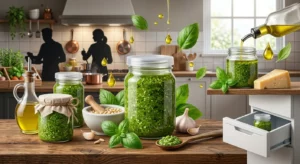
Homemade Genovese pesto recipe with a blender
recipe by
 Maurizio Pigliacampi
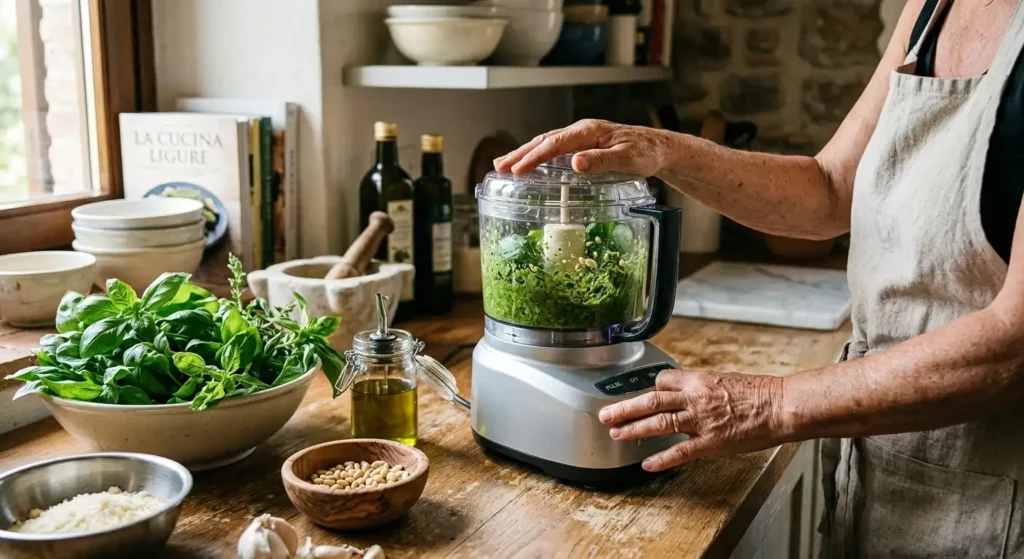
Good olive oil and an aroma that fills the kitchen even before the dish reaches the table.
This is a quick, homemade version designed for people who want to bring this flavor into their home without a mortar and without complications, using just a blender. The result remains creamy, intense, and surprisingly close to the original idea, but with the convenience needed for everyday cooking.
⚠️ Warning: preventing pesto oxidation
The critical point when making pesto with a blender is not the recipe itself, but the temperature: basil can deteriorate within seconds if it is overworked by the blades. The goal is to minimize heat and oxidation.
The correct technique is simple but precise. First, use a well-chilled blender jug—if possible, place it in the refrigerator for 10–15 minutes. Cold olive oil also helps if it is not at room temperature.
Then work in short pulses instead of continuous blending. Blend in 1–2 second bursts, pausing frequently to check the texture. You should not “cook” the basil, only break it down.
Another important trick is to add part of the olive oil at the beginning: it creates a protective layer that reduces direct contact between the leaves and the blades, limiting oxidation.
Finally, avoid overfilling the blender: a smaller volume means less heat buildup and a greener, fresher pesto. If necessary, work in small batches instead of blending everything at once.
ingredients
doses for
Adjust the servings: the quantities are updated automatically.
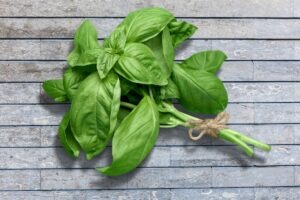
Basil Genoese Leaf
100 grams
Details
The Genovese Basil is not just an aromatic herb; it is the soul of Liguria. Historically cultivated in the Prà district, it owes its uniqueness to an unrepeatable microclimate that defines its aromatic profile. What makes it unique? Unmistakable aroma:…
Read More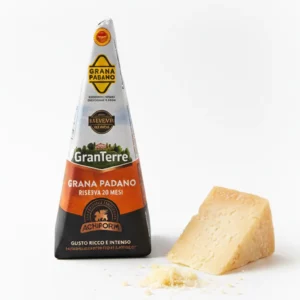
Grana Padano
70 grams
Details
Grana Padano DOP is an Italian hard cheese with cooked curd and slow aging, produced exclusively from raw cow’s milk, partially skimmed. It is one of the most widely sold and exported gastronomic products of Made in Italy worldwide. Main…
Read More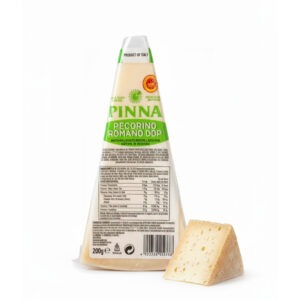
Pecorino Romano DOP 200gr
30 grams
Details
Pecorino Romano DOP Pinna in Bulgaria at Sofia Pecorino Romano DOP Pinna is an authentic cheese with a rich, spicy, and aromatic flavor, made from fresh sheep's milk from the regions of Sardinia, Lazio, and Grosseto, aged 5 to 8…
Read More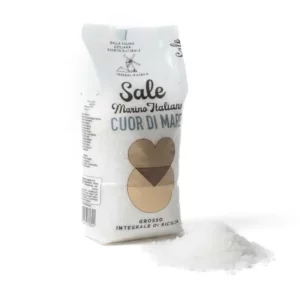
Coarse Whole Sea Salt
1 a pinch of coarse salt
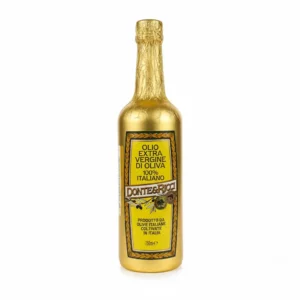
Italian extra virgin olive oil
100 100 ml
Useful insights
preparation
-
1
Ingredient preparation
Gently wash the basil leaves and dry them very thoroughly using kitchen paper or a salad spinner. It is important that they are completely dry: excess water can alter the texture of the pesto and speed up the oxidation of the leaves.
-
2
Adding the ingredients to the blender
Place the basil, pine nuts, garlic clove, a pinch of coarse salt, and part of the extra virgin olive oil into the blender jar. The salt helps slightly break down the fibers of the ingredients during processing, while the olive oil creates a protective layer that reduces direct contact between the basil and the blades, helping preserve its color and aroma.
By the way, when using a blender, there is no need to overdo the salt: a small pinch (about 1–2 g) is more than enough, since the Grana Padano and Pecorino Sardo added later will already provide sufficient saltiness.
-
3
Short pulse blending
Turn the blender on using short pulses of 1–2 seconds at a time, pausing frequently between each activation. Avoid continuous blending, as the heat generated by the blades can overheat the basil, darken its color, and reduce its characteristic aroma.
-
4
Adding the cheeses
When the mixture reaches a smooth but still slightly coarse texture, add the grated Grana Padano and Pecorino Sardo. Blend again using short pulses until you obtain a smooth, creamy sauce, being careful not to over-process it in order to preserve its freshness and aroma.
-
5
Adding the remaining olive oil
Gradually add the remaining extra virgin olive oil while continuing to mix or blend briefly. The olive oil will make the pesto creamier and help all the ingredients come together into a smooth, perfectly homogeneous mixture.
-
6
Adjusting the consistency
Check the final consistency: the pesto should be creamy, soft, and bright green in color. If it is too thick, you can add one tablespoon of extra virgin olive oil or one tablespoon of cold water to achieve a smoother and more balanced texture.
-
7
Genovese tips
To obtain a green and fragrant pesto, it is essential to keep the temperature low during processing. Use a well-chilled blender, work the ingredients in short pulses, and never blend for long continuous periods. If possible, keep the basil in the refrigerator until use, and add part of the olive oil from the beginning to protect the leaves from the action of the blades.
Follow us to be first to know when our new shop opens and our new services launch!
Follow us

Recipes, news and behind the scenes every day.