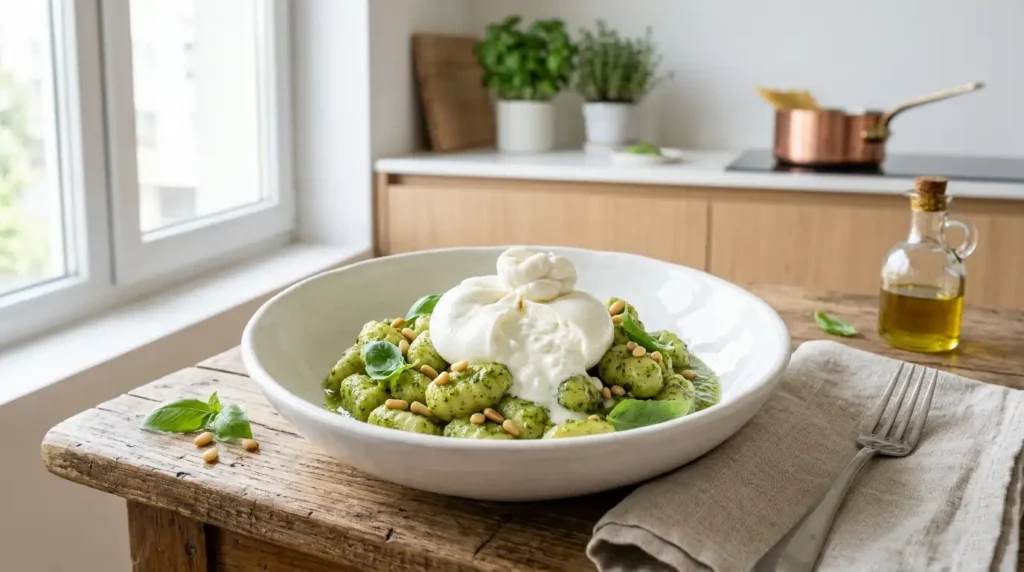
 Fresh Pasta
Gnocchi with pesto and burrata
263 views



recipe by
 Maurizio Pigliacampi
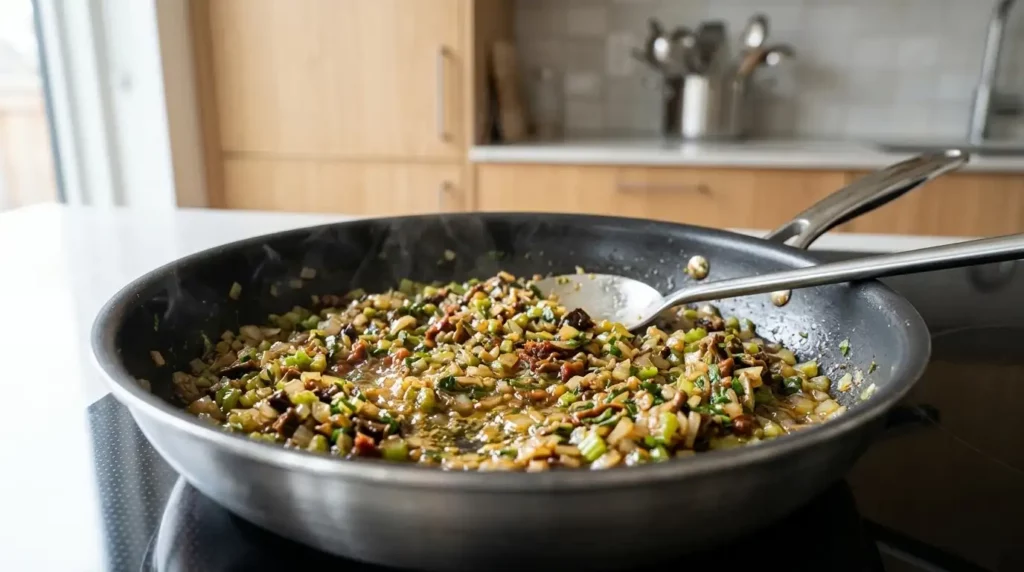
There are recipes that do not merely describe a cooking method, but open the doors of a home, bringing us straight back to the warmth of my grandmother Silvia’s kitchen. This soffritto, taken from her old Genovese cookbook from 1970, is the beating heart of that Ligurian tradition capable of transforming simple ingredients into a deep and authentic taste experience.
Unlike modern, more rushed soffrittos, this “old-fashioned” version is prepared with care, almost meditatively. With the addition of dried mushrooms and that touch of flour that provides a velvety consistency, this soffritto is the secret that adds depth to meat sauces, braises, or soups, infusing every dish with the decisive and genuine character of the Liguria of the past. Preserving this recipe means continuing to tell the story of those who, with a few skillful gestures, knew how to turn cooking into an act of love.
This soffritto is not just a cooking base, but a true “flavor enhancer.” Thanks to the presence of dried mushrooms and the light thickening provided by the flour, it is ideal for preparations that require slow and prolonged cooking. It is perfect as a base for meat sauces, braises, fish stews (such as in the recipe for Spaghetti co-e ancioe), or for enriching soups and vegetable dishes that need an extra boost. Its velvety consistency allows the sauce to “cling” better to the pasta or enrich the texture of a main course, bestowing an ancient, complex, and deeply enveloping flavor.
Adjust the servings: the quantities are updated automatically.
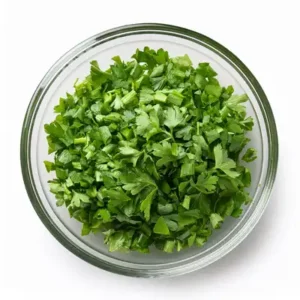
Parsley is a fresh, aromatic herb widely used in cooking to add brightness and balance to dishes. It has a clean, slightly peppery flavor that enhances sauces, meats, fish, vegetables, and soups without overpowering them. Often used as a finishing…
Read More
Thick and velvety tomato puree, perfect for lovers of quick and flavorful sauces. Suitable for fast cooking or to be used directly on pasta, thanks to its smooth and well-strained consistency.Made exclusively from tomatoes grown in Puglia, ripened under the…
Read More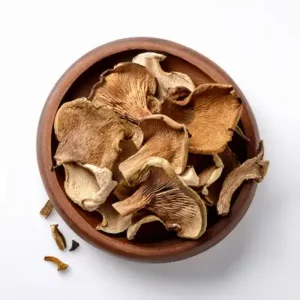
Dried mushrooms Dried mushrooms are one of the most intense and concentrated ingredients in traditional cuisine, capable of capturing the entire aroma of the forest in just a few grams. They are obtained through an ancient preservation technique, drying, which…
Read More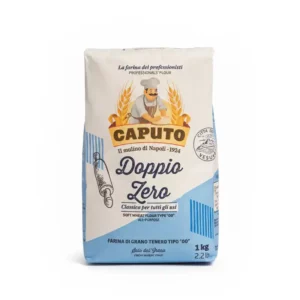
Caputo Tipo “00” flour is one of the most highly valued flours among professional pizza makers and bakers, as it guarantees a stable, elastic dough that is easy to work with. Its high quality comes from carefully selected wheat varieties…
Read More

Place the dried mushrooms in a bowl with lukewarm water and let them rehydrate for about 15-20 minutes. Once softened, remove them and rinse well under running water to remove any soil residue. Do not throw away the soaking water: filter it carefully using a very fine-mesh strainer to separate the mushrooms from any sediment. This dark water is extremely aromatic and should be used in the final cooking.
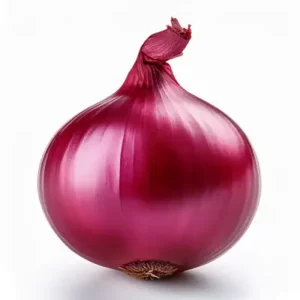
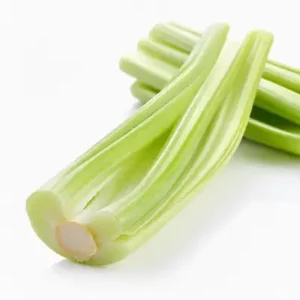
Start by finely chopping the onion, celery, and parsley leaves. The more homogeneous the mixture, the more uniform the base will be.
Heat a drizzle of olive oil in a pan. Add the chopped onion, celery, and parsley and let them soften over low heat. It is important not to rush: the onion should become transparent and golden without burning.
When the vegetables have softened well, add the tomato (or paste) and the well-drained, roughly chopped mushrooms. Let the flavors meld for a few minutes, stirring gently.
This is the crucial technical moment. Sprinkle the tablespoon of flour directly over the mixture in the pan. Stir vigorously for about a minute: the flour should absorb the oil and "toast" slightly, creating a velvety base that will serve as a thickener.
Add about half a cup of the precious mushroom water you filtered earlier and a pinch of salt. Cover the pan and let it cook over very low heat for about thirty minutes. If it becomes too dry, add a splash of hot water from time to time. The soffritto is ready when you have a creamy, thick base with an intense aroma.

Recipes, news and behind the scenes every day.