

Plated lasagna with Genovese pesto and potatoes
recipe by
 Maurizio Pigliacampi
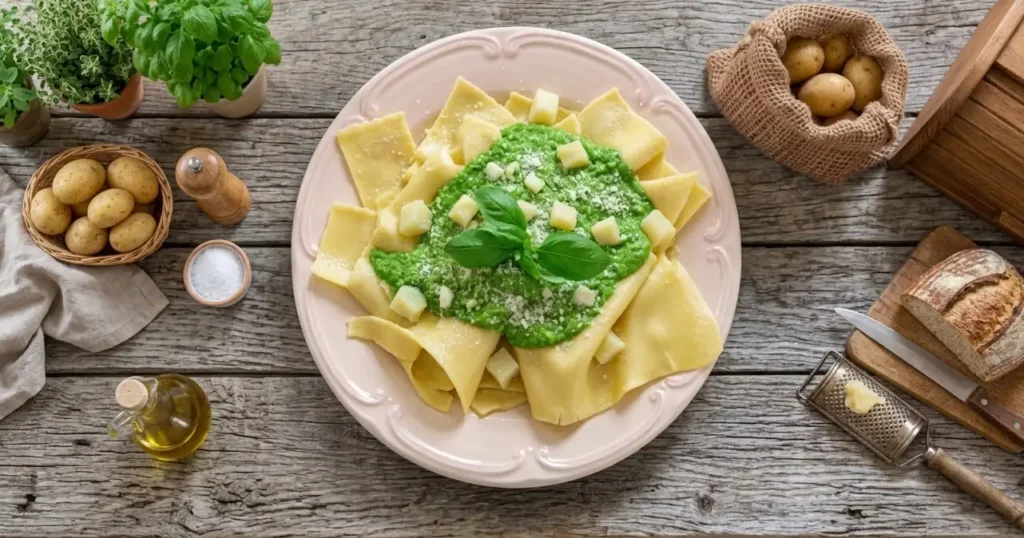
Lasagna al pesto alla Genovese, served on a plate, represents one of the most free expressions of Ligurian cuisine.
In the article’s photo, it is a more artistic and visually striking version compared to the traditional recipe, which instead requires a precise and orderly layering of ingredients in a baking dish.
Here, the composition can be interpreted with greater freedom: what matters is not strict layering, but respect for the raw ingredients and the balance of the dish.
The real difference is always made by the quality of the ingredients and proper cooking: the pasta must remain soft yet intact, the pesto fresh and not altered by heat, and the potatoes present but not overpowering.
Beyond that, there is room for creativity. In this dish, technique leads the way, but freedom completes the result.
ingredients
doses for
Adjust the servings: the quantities are updated automatically.
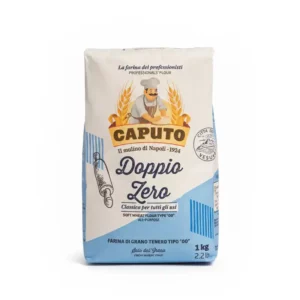
Caputo Flour 00
500 gr
Details
Caputo Tipo “00” flour is one of the most highly valued flours among professional pizza makers and bakers, as it guarantees a stable, elastic dough that is easy to work with. Its high quality comes from carefully selected wheat varieties…
Read More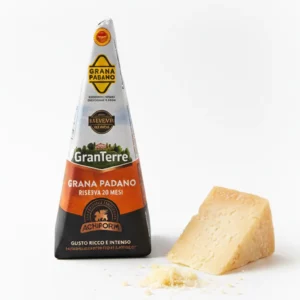
Grana Padano
qb
Details
Grana Padano DOP is an Italian hard cheese with cooked curd and slow aging, produced exclusively from raw cow’s milk, partially skimmed. It is one of the most widely sold and exported gastronomic products of Made in Italy worldwide. Main…
Read More
Potatoes
300 gr
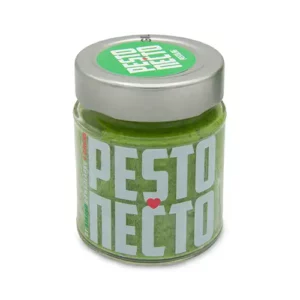
Fresh Genoese Pesto
300 gr
Details
The Real Fresh Genovese Pesto Now Also in Sofia 🇧🇬Savor the authentic taste of Genoa with our fresh Genovese pesto, imported directly from Italy. Made with fresh Genovese basil, Grana Padano DOP, Pecorino Romano, Italian pine nuts, garlic, and extra…
Read More
Eggs
2
Useful insights
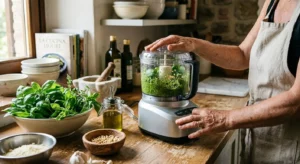
Homemade Genovese pesto recipe with a blender
Click Herepreparation
-
1
Dough preparation
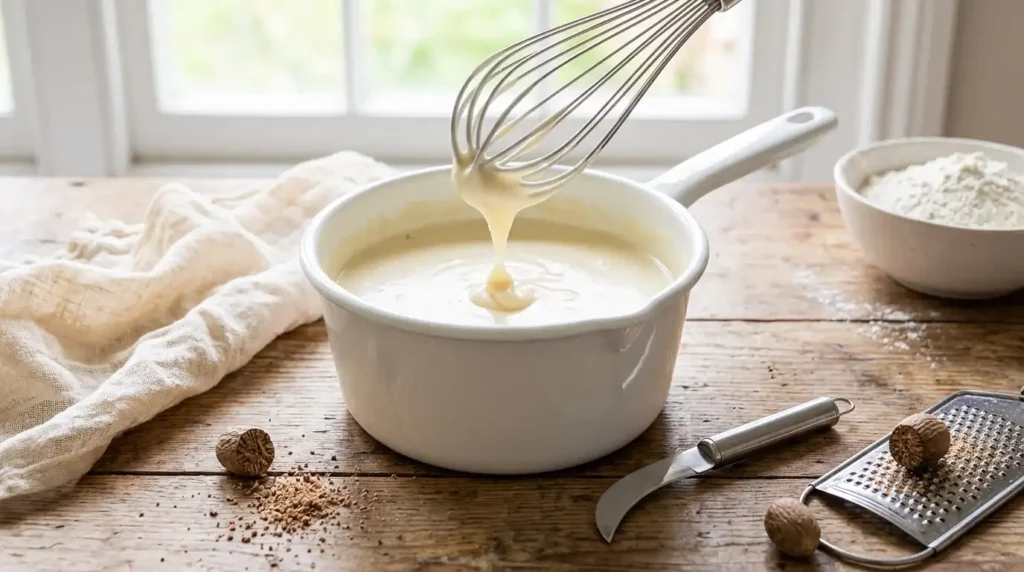
Make a well with the flour on a work surface. Add the egg yolks and a pinch of salt.
Work the dough until you obtain a smooth, elastic, and compact mixture. If needed, add a very small amount of water, but the goal is to keep the dough dry and stable.
Let it rest, covered, for at least 20–30 minutes. -
2
Rolling out the pasta
Roll the sheet of dough very thin: the thinner it is, the more elegant and light the dish will be.
The rule is simple: it should almost “let you read the table underneath.”
Let the sheet rest for a few minutes to dry slightly. -
3
Cutting the lasagna sheets
Gently roll up the sheet of dough and cut it into strips. Then shape them into regular rectangles.
Lightly dust with flour to prevent them from sticking together. -
4
Cooking the pasta
Bring a large pot of salted water to a boil.
Cook the lasagna sheets a few at a time: they must remain manageable and not stick together.
Keep the boiling time short (about 2–3 minutes), then drain them using a slotted spoon. -
5
Drying
Lay the cooked sheets on a clean kitchen towel or a tray.
This step is essential: if you stack them immediately, you’ve already lost the battle. -
6
Potatoes (key element of the Genovese version)
Boil them in salted water until soft but still intact.
Cut them into thin slices or small cubes.
Important note: potatoes are not a side dish. They are part of the structure of the dish. -
7
Assembling the lasagna
In a baking dish or a large serving plate, build the layers as follows:
Lasagna sheets
Genovese pesto, evenly distributed
Boiled potatoes
Parmigiano ReggianoRepeat the layers until all ingredients are used.
-
8
Logic of the layers
Pesto should not be “thrown in randomly”: it must be spread evenly, not piled up.
The potatoes should add sweetness and structure.
The Parmigiano binds and completes each layer.
If you overdo even one element, the dish loses its balance. -
9
Serving
Serve warm, not piping hot.
Simple reason: the pesto must not continue cooking on the plate, otherwise it loses its color, aroma, and character.Final result
True lasagna with pesto is not heavy, not “greasy,” and not messy.
It is layered, soft, green, and well-balanced.
And above all: when done properly, it disappears too quickly to even be photographed.
Follow us to be first to know when our new shop opens and our new services launch!
Follow us

Recipes, news and behind the scenes every day.