



Caprese with pesto
recipe by
 Maurizio Pigliacampi
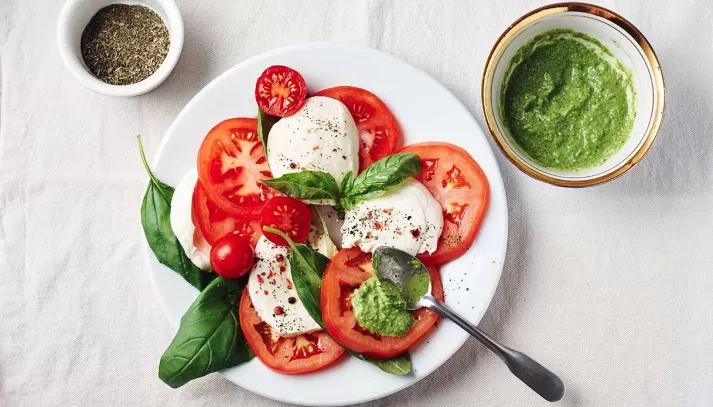
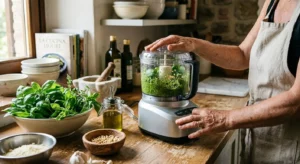
Caprese with pesto is a fresh and fragrant variation of the classic Italian salad. Soft mozzarella, ripe tomatoes, and basil come together with pesto, which replaces simple olive oil and adds a rich, intense Mediterranean aromatic boost. The result is a quick, summery dish that is surprisingly more “spectacular” in flavor than the original.
ingredients
doses for
Adjust the servings: the quantities are updated automatically.
Details
The Genovese Basil is not just an aromatic herb; it is the soul of Liguria. Historically cultivated in the Prà district, it owes its uniqueness to an unrepeatable microclimate that defines its aromatic profile. What makes it unique? Unmistakable aroma:…
Read More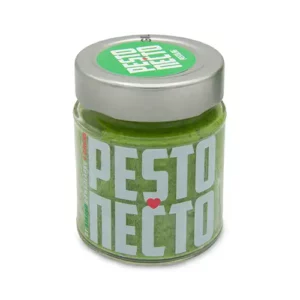
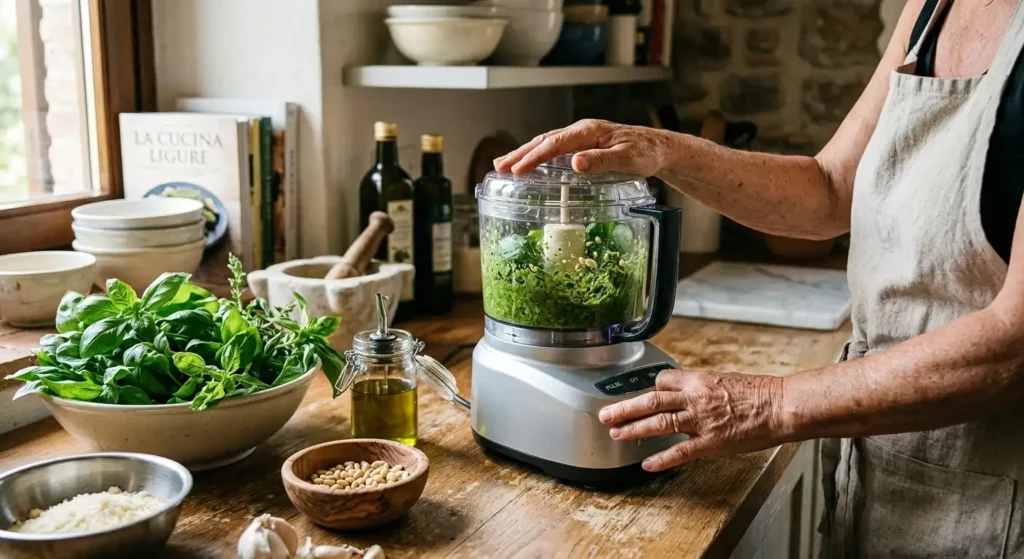
Fresh Genoese Pesto
20 grammi
Details
The Real Fresh Genovese Pesto Now Also in Sofia 🇧🇬Savor the authentic taste of Genoa with our fresh Genovese pesto, imported directly from Italy. Made with fresh Genovese basil, Grana Padano DOP, Pecorino Romano, Italian pine nuts, garlic, and extra…
Read More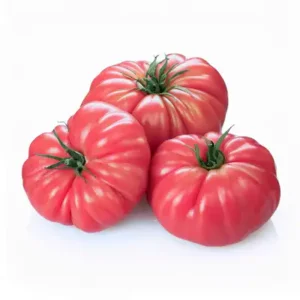
Bulgarian pink tomatoes
2 big tomatoes
Details
Bulgarian pink tomatoes are a variety especially prized for the noble character of the fruit and their rich, well-balanced flavour profile. They stand out for their generous size, thin skin, and fleshy, firm yet velvety flesh, which expresses the tomato’s…
Read MoreUseful insights
preparation
-
1
Bulgarian Tomatoes
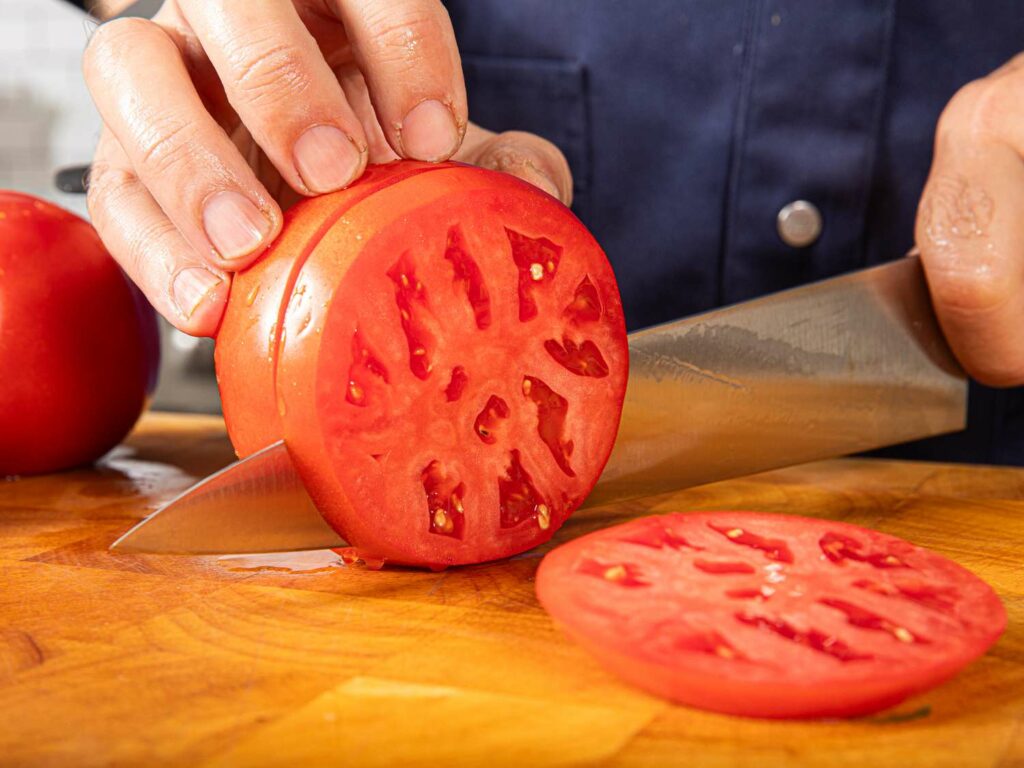
Slice the tomatoes into thin rounds and choose Bulgarian ones: they are sweet, fleshy, and full of flavor, making them perfect for this recipe. Arrange them carefully on the plate, because presentation matters too.
For a Caprese, one of the best Bulgarian tomato varieties is the traditional Bulgarian pink tomato (often called Rozov Domat / Розов домат).
It works perfectly because:it has a naturally sweet and rich flavor;
the texture is meaty and juicy without being too watery;
it releases less acidity than many industrial tomatoes;
its softness pairs extremely well with mozzarella and fresh Genoese pesto;
the aroma is intense and almost old-fashioned, closer to homegrown Mediterranean tomatoes.That balance of sweetness, freshness, and fleshiness makes Bulgarian pink tomatoes surprisingly ideal for an authentic Caprese.
-
2
Mozzarella
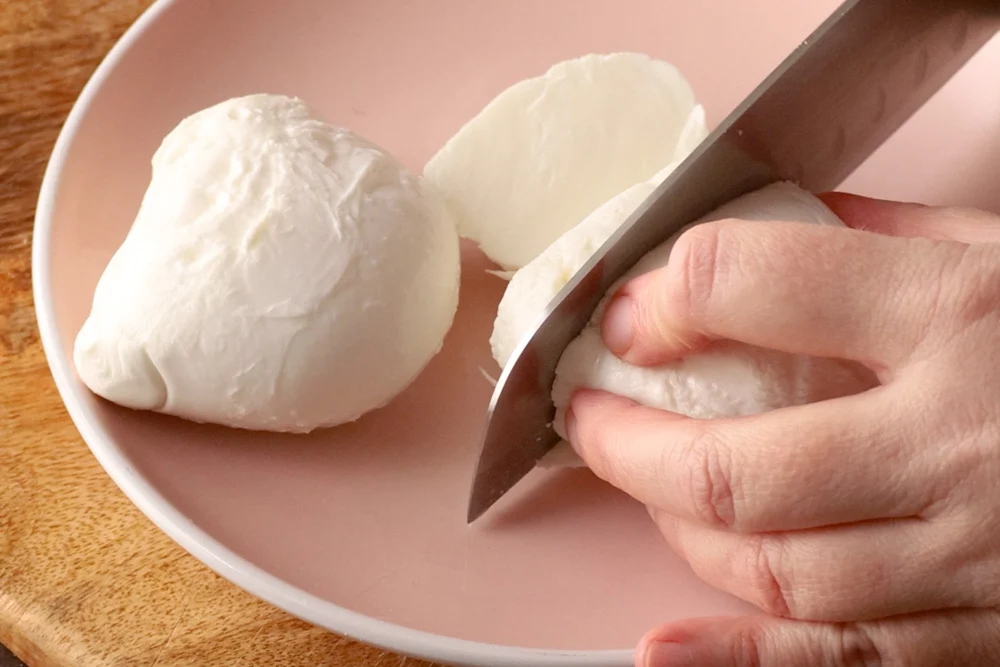
Add fresh mozzarella, torn by hand to preserve all of its natural creaminess, along with a few basil leaves for aroma and freshness.
One of the finest choices for a Caprese is mozzarella from Gioia del Colle, in southern Italy.
This area is famous for producing exceptional fior di latte mozzarella thanks to a combination of tradition, local milk quality, and craftsmanship passed down for generations.What makes it stand out:
the milk has a richer and more delicate flavor profile;
the texture is elastic yet incredibly creamy inside;
it releases less excess water, which keeps the Caprese balanced instead of watery;
the flavor is clean, milky, and slightly buttery without overpowering the tomatoes or pesto;
hand-crafted production methods give it a more natural structure and freshness compared to industrial mozzarella.For a Caprese with fresh Genoese pesto, mozzarella from Gioia del Colle creates the ideal balance: creamy but not heavy, delicate but still full of character.
-
3
Pesto and Final Touches
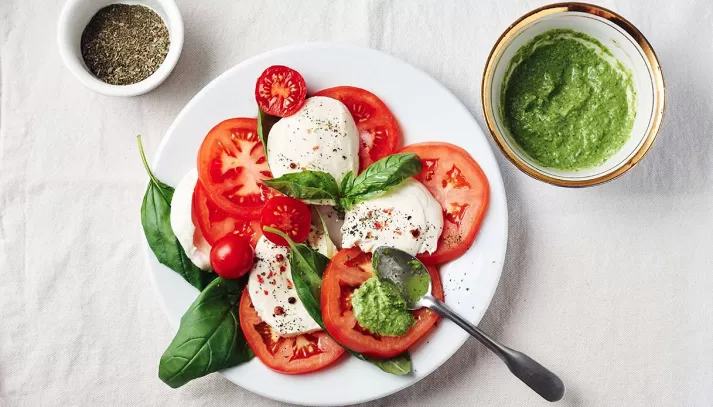
Then comes the star of the dish: real fresh Genoese pesto. Spread it generously, letting it slide between the tomatoes and mozzarella so that every bite has its own distinct character.
A drizzle of olive oil, a pinch of salt, and the dish is ready. Simple, straightforward, but with a flavor that needs no explanation.

Follow us to be first to know when our new shop opens and our new services launch!
Follow us

Recipes, news and behind the scenes every day.