
The shop is currently closed due to relocation. We are working on reopening in a new location. See you soon!

ANCIENT GENOESE RECIPES

Marinara Sauce – “Salsa da Mainae”

3 views

salsa marinara ricetta ligure antica

This recipe is an authentic piece of family history, taken directly from the personal cookbook of my grandmother Silvia, dating back to 1980. It is the Sarsa da Mainae, a traditional condiment of Genoese cuisine. The name, which in the local dialect means “marinara sauce,” immediately evokes the indissoluble bond between the Ligurian land and the sea. It is a preparation that smells of domestic history and ancient wisdom, jealously guarded within the yellowed pages of that book which is, for me, a precious testament to culinary tradition.

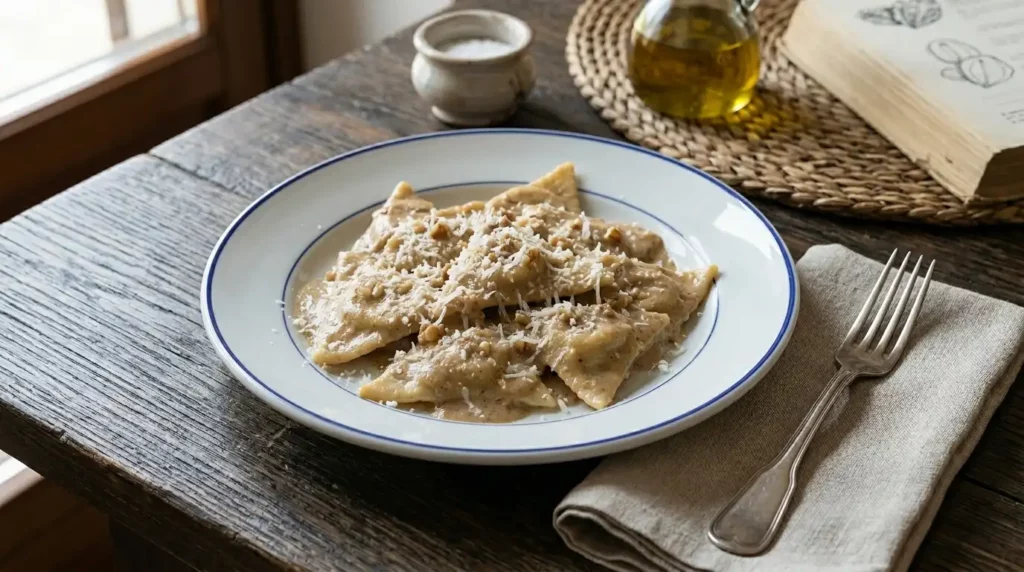
The perfect accompaniment: It was born to be paired with stockfish (or salt cod). The savoriness of the anchovy and the fragrance of the garlic create a perfect contrast with the delicate flesh of the fish, especially if the sauce is “thinned” with a little of the cooking water from the fish itself.

For crostini and bruschetta: Spread on slices of toasted rustic bread, it becomes a rustic appetizer of incredible character.

For dressing vegetables: It is excellent for flavoring boiled potatoes, steamed green beans, or boiled zucchini, giving them an unexpected depth of flavor.

Base for pasta: It can be used as a quick base for sautéed pasta, perhaps adding a few toasted pine nuts or a handful of fresh, raw parsley to balance the savoriness.

ingredients

Garlic
2 Cloves
Details

Garlic is the soul of our dishes: white garlic offers a bold flavor, red is more delicate and digestible, while black garlic provides sweet and gourmet notes. To choose the best, follow this simple rule: the bulb should be firm, heavy to the touch, and have tight, dry skin. Always avoid those showing green sprouts, as this is a sign that the product is no longer fresh and may taste bitter.

Read More
Anchovies
4 fillets
Details

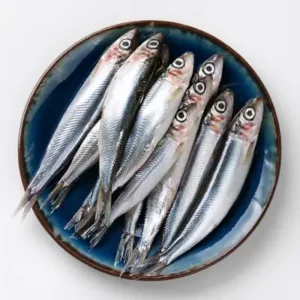
Anchovies are small fish from the Mediterranean Sea and the eastern Atlantic Ocean (especially along the European and North African coasts). In practice, they are widely caught in areas such as Italy, Spain, France, and Morocco. They are small fish with an intense flavor, widely used in Mediterranean cuisine to add savoriness to sauces, gravies, and seasonings. Fresh anchovies have a more delicate taste and a soft texture: they are often eaten cooked or marinated and retain a cleaner, more “sea-like” note. Salted anchovies, on the other hand, are more concentrated and flavorful: the salting process intensifies their aroma and makes them a powerful ingredient, ideal for melting into oil or sauces and seasoning dishes with just a small amount.

Read More
Details

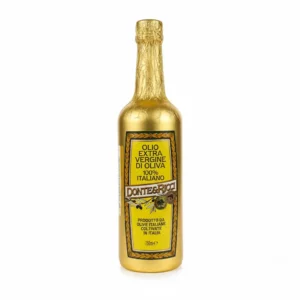
Italian extra virgin olive oil is considered among the best in the world because it comes from a rare balance between high-quality raw ingredients, freshness, and traditional production methods. It is obtained from the first cold pressing of olives, without any chemical processes or refining. This means it preserves its aromas, polyphenols, and nutritional properties intact. The result is a living oil that can be fruity and delicate or more intense and peppery, depending on the olive variety and the region. Its main strength is its ability to “give identity” to dishes without overpowering them: it enhances tomatoes, vegetables, fish, and especially raw preparations like pesto. Just a drop can completely change the perception of a dish. In the kitchen, it is not just a fat: it is a true aromatic ingredient that brings complexity, freshness, and a distinctly Mediterranean character.

Read More
Vinegar
1 Little spoon
Details

Vinegar is an acidic condiment obtained through the fermentation of alcohol or sugars (wine, apples, rice, etc.). In cooking, it is used to add freshness, balance fats, and bring depth to flavors. “Good” vinegar depends on its use, but there are some clear criteria: Simple ingredients: it is better if it contains only “wine” or “grape must,” without flavorings or unusual additives. Natural fermentation: the more artisanal it is, the more complex its aroma. Balanced acidity: usually around 5–7% for wine vinegars. Clean aroma, not overly sharp or aggressive. How to quickly recognize it: If it is too transparent and “flat,” it is often industrial and lacking aroma. If it has a round, slightly wine-like or fruity aroma, it is higher quality. If it leaves a sensation that is only sharp and burning acidity, it is low quality or too acidic without balance.

Read More
Pepper
To taste Black Pepper
Details

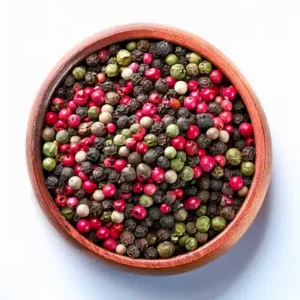
Pepper is the most widely used spice in the world, prized for its pungent flavor and its ability to enhance the flavors of any dish. It is best used freshly ground to preserve its freshness and aromatic intensity. There are several varieties including black, white, green, and pink, each with a different intensity, capable of transforming a simple sauté or a roast into a vibrant and fragrant meal.

Read More

preparation

Procedure: Traditional Method (Mortar and Pestle)

  1. 1

    The base

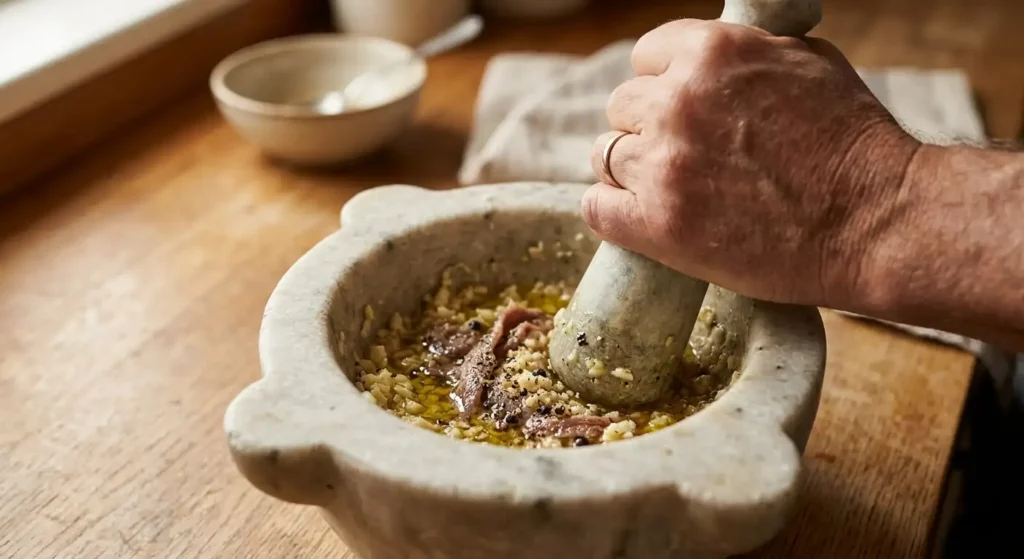
    Pound the garlic with a pinch of coarse salt in the mortar until a smooth paste is obtained.

  2. 2

    The emulsion

    Add the cleaned anchovy fillets and continue to pound. Incorporate the extra virgin olive oil in a thin stream, constantly rotating the pestle to emulsify the sauce until it becomes glossy.

  3. 3

    Acidity:

    Add the vinegar and a grind of fresh pepper.

  4. 4

    The "cut":

    To dress the stockfish, loosen the cream obtained with the stockfish cooking water (which acts as a binder) or with tomato purée, according to preference.

Procedure: Professional "Cold-Mix" Method (Blender/Mixer)

  1. 1

    Refrigeration:

    Cool the blender jar and blades in the freezer for 20 minutes. Use anchovies straight from the refrigerator.

  2. 2

    Preliminary chopping:

    Finely chop the garlic and anchovies with a knife before putting them in the blender.

  3. 3

    Pulse technique:

    perate the blender only in very short pulses (1-2 seconds), pausing for 3 seconds between each. This prevents the blades from generating friction heat.

  4. 4

    Emulsion:

    Add the oil in a thin stream during the pulses. If necessary, stabilize the sauce with a teaspoon of cold cooking water or vinegar.

  5. 5

    Stop:

    Do not work the mixture for too long; stop as soon as the consistency is velvety.

Chef's Tips

  1. 1

    Balancing:

    If the anchovies are too salty, soak them in water and milk for 10 minutes before using them.

  2. 2

    Temperature:

    Heat is the number one enemy of this sauce. The mortar and pestle method remains unsurpassed because it respects the molecular structure of the ingredients without altering their essential oils.

  3. 3

    Usage:

    In addition to being the ideal complement for stockfish, this sauce is perfect on hot toasted bread for an appetizer that plays on contrasting textures.

other recipes