Recipes with Butter

7 recipes with Butter

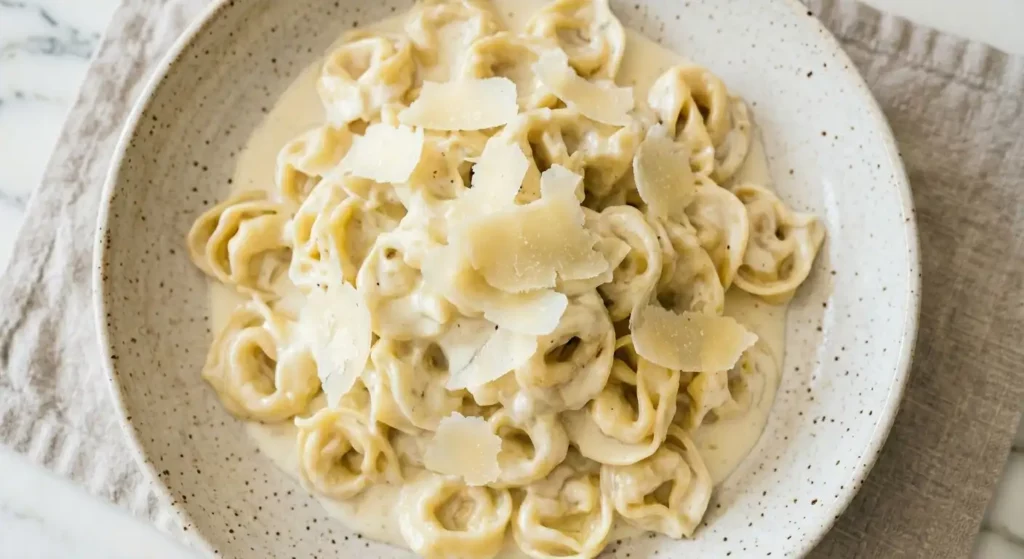
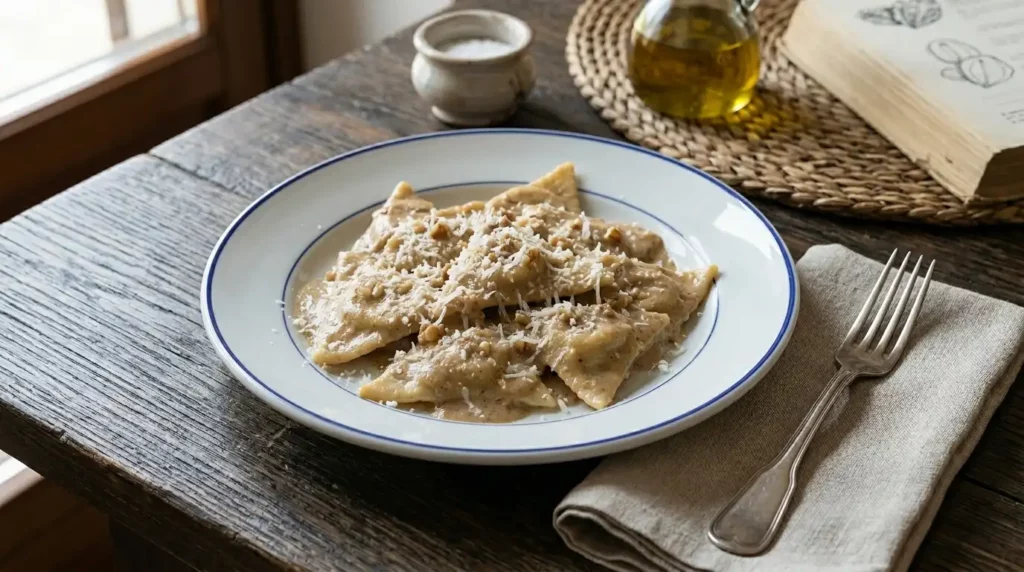
Tortellini with cooking cream. Alla panna Fresh Pasta

Tortellini with cooking cream. Alla panna

5 su 5 · 1 voto

48 views

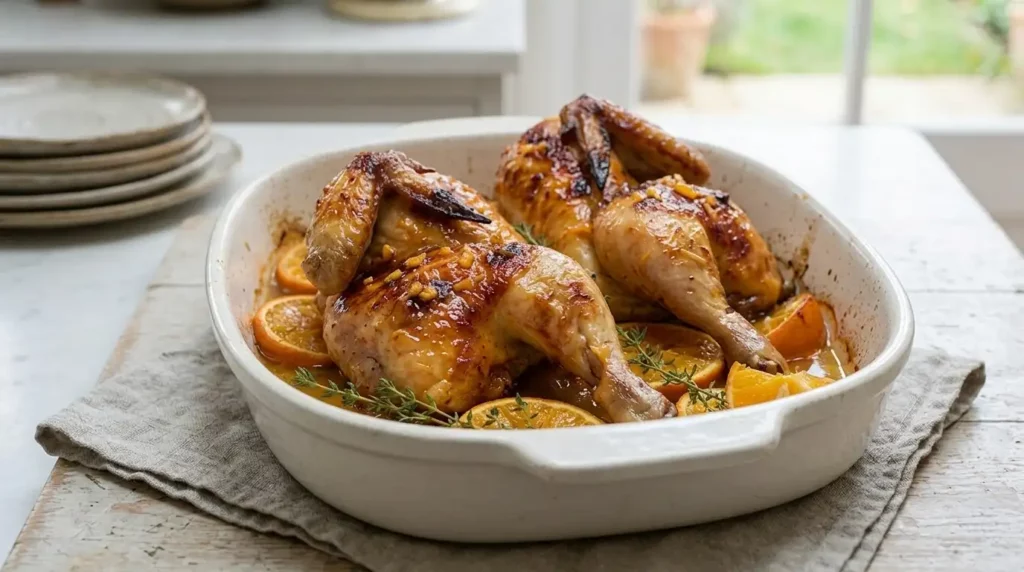
Italian Orange Chicken Recipe Meat

Italian Orange Chicken Recipe

4 su 5 · 2 voti

42 views

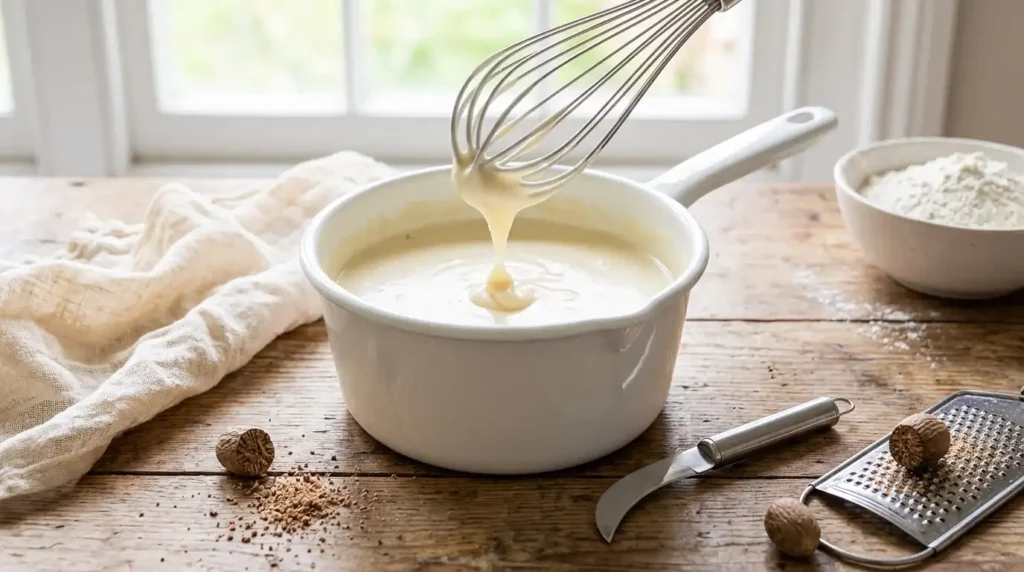
The perfect béchamel sauce Sauces

The perfect béchamel sauce

5 su 5 · 1 voto

32 views

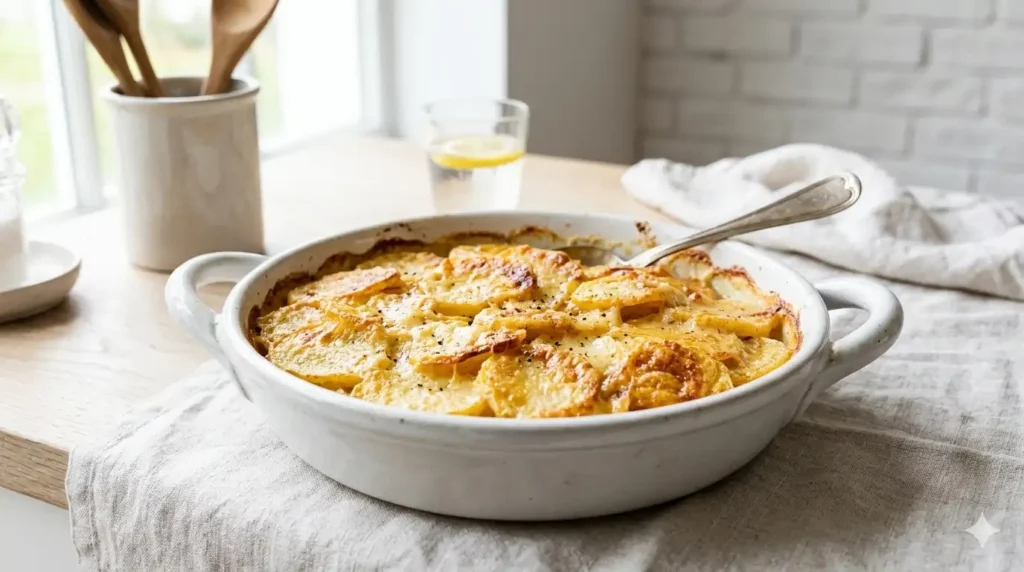
Potato Gratin with Cream and Grana Padano Side Dish

Potato Gratin with Cream and Grana Padano

4 su 5 · 1 voto

29 views

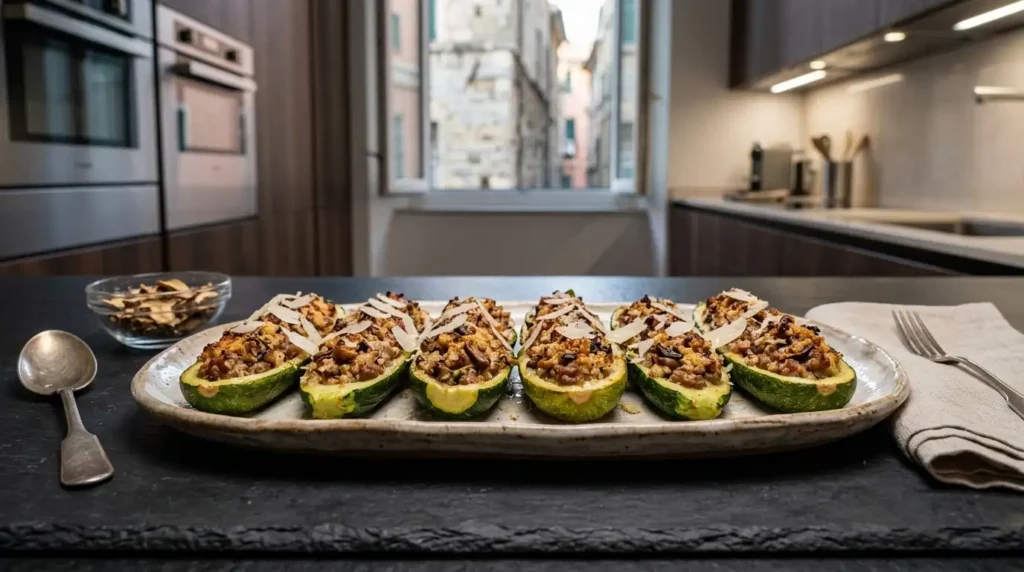
Oven-baked stuffed zucchini: how to prepare them according to Ligurian tradition Ancient Genoese Recipes

Oven-baked stuffed zucchini: how to prepare them according to Ligurian tradition

5 su 5 · 1 voto

28 views

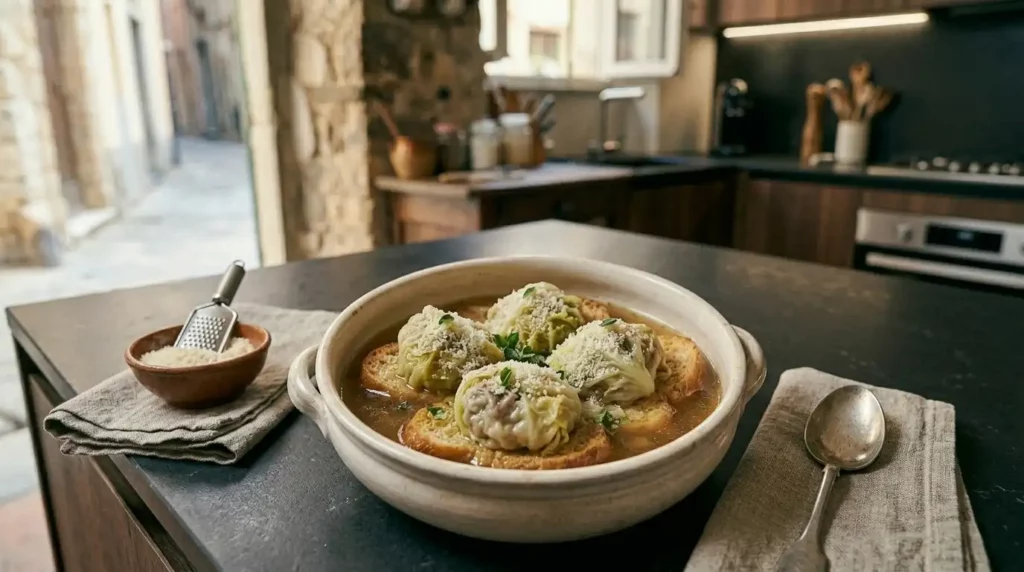
Stuffed Lettuce: The Green Heart of Genoese Cuisine Ancient Genoese Recipes

Stuffed Lettuce: The Green Heart of Genoese Cuisine

5 su 5 · 1 voto

16 views

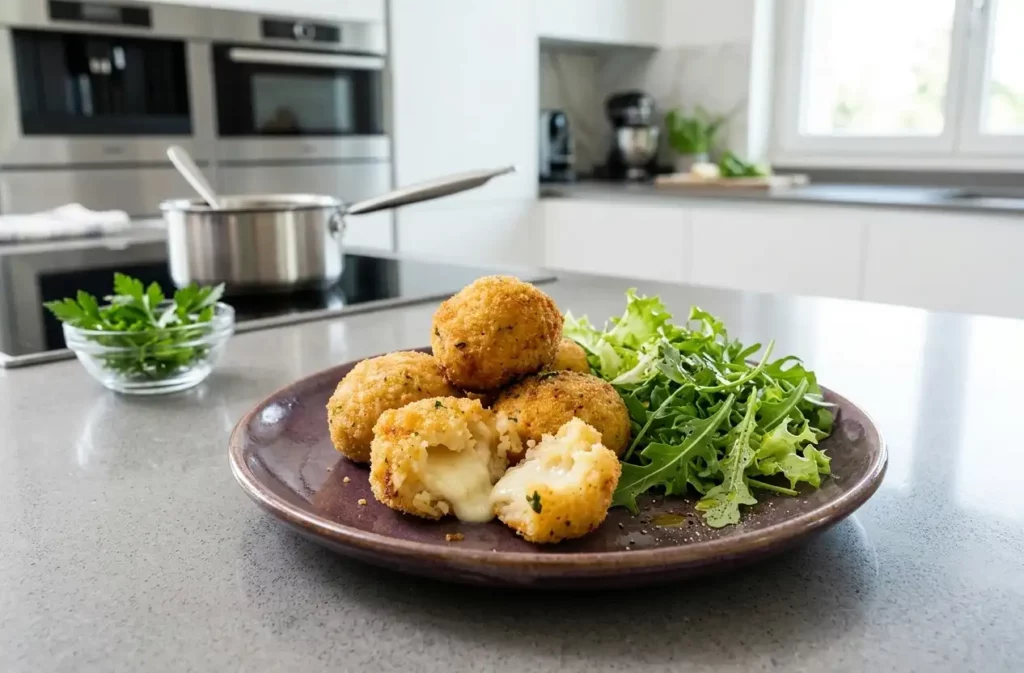
Rice croquettes with a mozzarella filling: an easy, gooey recipe Rice and risottos

Rice croquettes with a mozzarella filling: an easy, gooey recipe

5 su 5 · 2 voti

12 views

About this ingredient

Butter

Butter: cooking use, selection and techniques Butter is one of the most important fats in traditional and modern cuisine. It is a fundamental ingredient for adding creaminess, roundness, and flavor to dishes. It is made by churning cream from milk…

Butter: cooking use, selection and techniques

Butter is one of the most important fats in traditional and modern cuisine. It is a fundamental ingredient for adding creaminess, roundness, and flavor to dishes. It is made by churning cream from milk and is used in many culinary traditions, from baking to savory cooking.


Types of butter

Butter is not all the same: it varies depending on production methods and fat content.

  • Sweet butter: the most common type. It has a mild flavor and is ideal for cooking and baking.
  • Salted butter: contains added salt, making it more savory and intense. Great on bread, vegetables, and quick preparations.
  • Clarified butter (ghee): free of water and milk proteins. It has a higher smoke point and is perfect for high-heat cooking.
  • Cultured butter: has a more complex, slightly tangy flavor and is used in some European culinary traditions.

Butter vs other fats

Butter has unique characteristics compared to oils and margarine.

  • It is more aromatic than neutral oils
  • It adds creaminess and structure to sauces
  • It burns more easily than olive oil
  • It contains dairy components that enrich flavor

In cooking, it is often combined with oil to balance flavor and heat stability.


How to choose good butter

Good butter can be recognized by:

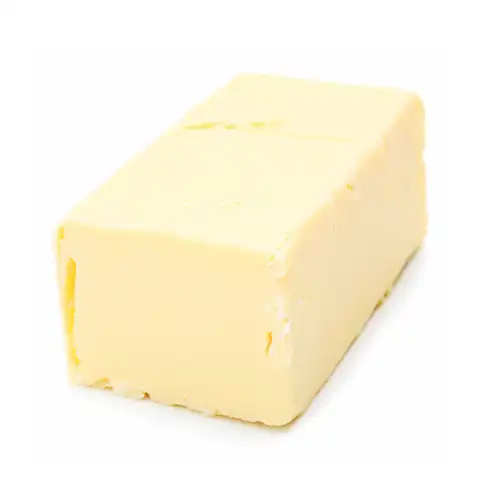
  • Uniform color, from pale yellow to straw yellow
  • Fresh smell, not rancid
  • Firm but not rock-hard texture
  • High fat content (ideally above 82%)
  • Simple ingredients: only cream, sometimes salt

Uses of butter in cooking

Butter is extremely versatile:

  • Sauces: as a base for beurre blanc, pan sauces, emulsions
  • Pasta and risotto: for creaming and richness
  • Vegetables: to enhance and round out flavor
  • Meat and fish: for finishing and glazing
  • Baking: essential for cakes, cookies, and pastries
  • Bread: simply spread or flavored

Why butter changes the flavor of dishes

Butter contains fat, water, and milk solids. When heated:

  • water evaporates
  • proteins brown (Maillard reaction)
  • nutty, toasted aromas develop

This is why browned butter has such a deep and complex aroma.


How to cook butter without burning it

Butter is delicate and requires care.

Low heat

Butter should be melted slowly to avoid burning the milk solids.

Mixing with oil

Oil raises the smoke point and protects butter during cooking.

Clarified butter

Perfect for frying or searing without burning risk.

Finishing addition

Butter is often added at the end of cooking to add shine and flavor without heat stress.


Butter and temperature

Butter is very sensitive to heat:

  • High heat → burns quickly
  • Medium heat → develops complex aromas
  • Cold → remains solid and creamy

Controlling temperature is essential to get the best from this ingredient.


Butter in sweet and savory cooking

  • Savory cooking: adds richness to sauces, meat, and vegetables
  • Baking: provides structure, tenderness, and softness
  • Finishing: glazes dishes and binds flavors

It is one of the most transformative ingredients in cooking.


Conclusion

Butter is simple only in appearance. It is a technical ingredient that can improve or ruin a dish depending on temperature and handling. When used correctly, it adds depth, smoothness, and aroma. When used poorly, it becomes heavy or burnt.

The difference is not in the butter itself, but in how you treat it in the pan.