


 Sauces
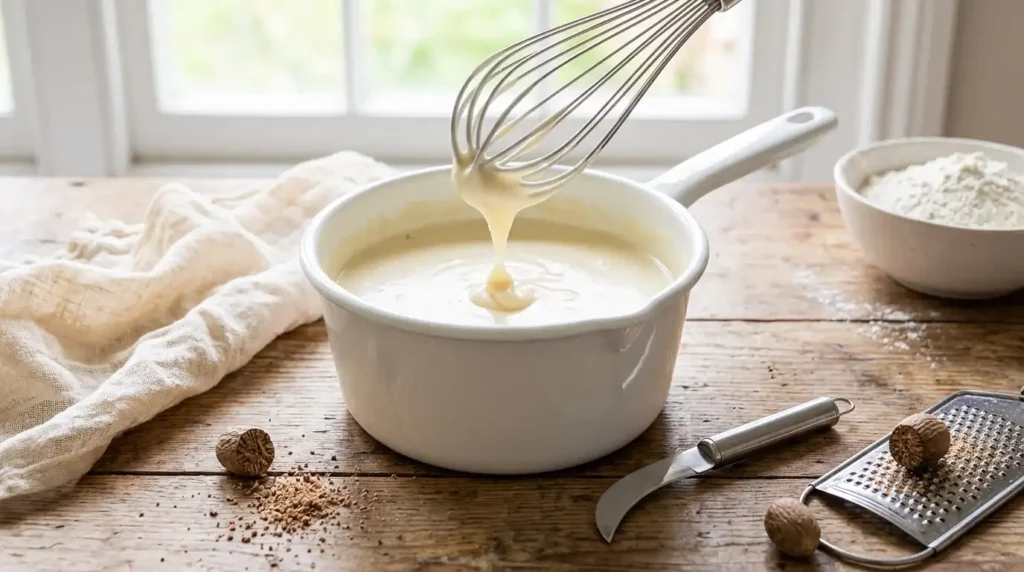
The perfect béchamel sauce
571 views



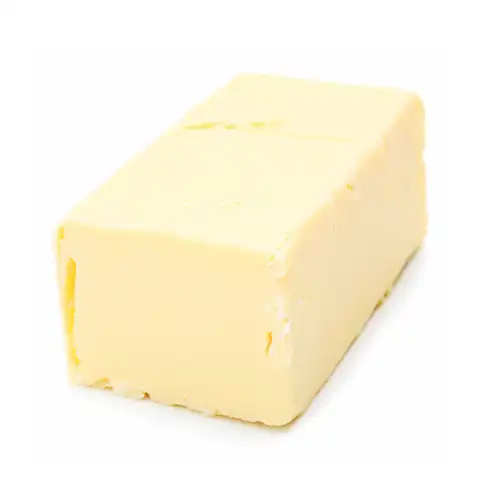
Butter is one of the most important fats in traditional and modern cuisine. It is a fundamental ingredient for adding creaminess, roundness, and flavor to dishes. It is made by churning cream from milk and is used in many culinary traditions, from baking to savory cooking.
Butter is not all the same: it varies depending on production methods and fat content.
Butter has unique characteristics compared to oils and margarine.
In cooking, it is often combined with oil to balance flavor and heat stability.
Good butter can be recognized by:
Butter is extremely versatile:
Butter contains fat, water, and milk solids. When heated:
This is why browned butter has such a deep and complex aroma.
Butter is delicate and requires care.
Butter should be melted slowly to avoid burning the milk solids.
Oil raises the smoke point and protects butter during cooking.
Perfect for frying or searing without burning risk.
Butter is often added at the end of cooking to add shine and flavor without heat stress.
Butter is very sensitive to heat:
Controlling temperature is essential to get the best from this ingredient.
It is one of the most transformative ingredients in cooking.
Butter is simple only in appearance. It is a technical ingredient that can improve or ruin a dish depending on temperature and handling. When used correctly, it adds depth, smoothness, and aroma. When used poorly, it becomes heavy or burnt.
The difference is not in the butter itself, but in how you treat it in the pan.
Sauces
571 views
 Ancient Recipes
203 views
 Rice and risottos
177 views
 Side Dish
190 views
 Ancient Recipes
244 views
 Meat
Meat
178 views
 Ancient Recipes
171 views
 Fresh Pasta
381 views
 Fresh Pasta
214 views