Main Courses
MEAT
Venetian-Style Liver
recipe by
Maurizio Pigliacampi
Fegatini alla Veneziana: A Heartwarming Homage to Tradition
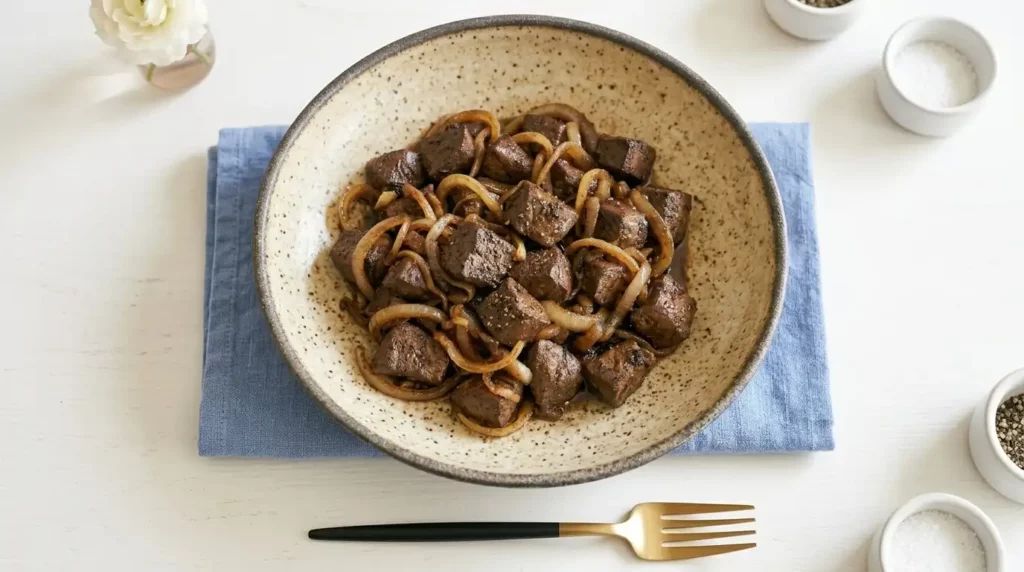
Fegatini alla Veneziana represents the quintessence of Venetian cuisine, a dish that needs no artifice to conquer the palate. This recipe is an ode to wise simplicity: the enveloping sweetness of onions, slowly caramelized in their own juices, meets the noble intensity of the liver, creating a deep and lingering balance of flavors.
Every bite tells a story of territory and home, where patience is the secret ingredient that transforms a few humble elements into a refined main course with a buttery texture. Served hot, perhaps accompanied by a fluffy bed of saffron rice for a chromatic and aromatic contrast, or simply allowed to shine in their own reduced cooking juices, these liver morsels are a true gift for those who know how to appreciate the authentic flavors of the past. A timeless classic that, in its rustic elegance, continues to amaze with its ability to transform a moment at the table into a convivial and relaxing experience.
Do you like this editorial style, or would you prefer something more technical or, conversely, more emotional?
ingredients
Details
Veal is the meat of young calves, known for its tender texture and delicate, mild flavor. In cooking, it is highly versatile and works well in both quick preparations and slow-cooked dishes. It pairs easily with herbs, wine-based sauces, and light seasonings that enhance its subtle taste without overpowering it.
Read MoreDetails
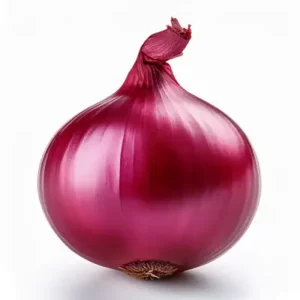
The onion is a cornerstone of Mediterranean cuisine, prized not only for its flavor but also for its nutritional properties. There are various varieties, from the classic white with its pungent taste, to yellow which is more balanced, to red which is sweeter and more delicate, each capable of adding different aromatic depth to sautés, soups, and side dishes.
Read MoreDetails
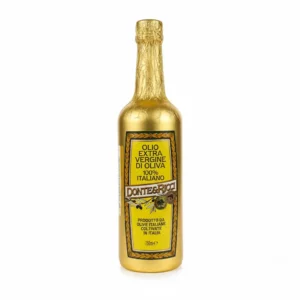
Italian extra virgin olive oil is considered among the best in the world because it comes from a rare balance between high-quality raw ingredients, freshness, and traditional production methods. It is obtained from the first cold pressing of olives, without any chemical processes or refining. This means it preserves its aromas, polyphenols, and nutritional properties intact. The result is a living oil that can be fruity and delicate or more intense and peppery, depending on the olive variety and the region. Its main strength is its ability to “give identity” to dishes without overpowering them: it enhances tomatoes, vegetables, fish, and especially raw preparations like pesto. Just a drop can completely change the perception of a dish. In the kitchen, it is not just a fat: it is a true aromatic ingredient that brings complexity, freshness, and a distinctly Mediterranean character.
Read MoreDetails
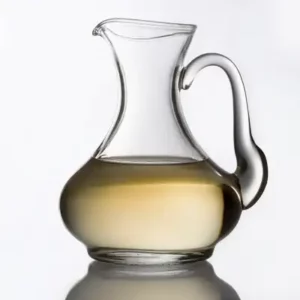
White wine in cooking is used to add acidity, freshness, and depth to dishes: it deglazes cooking juices, cuts through fats, and adds aroma without overpowering the flavor. For cooking, choose a dry, young, and simple white wine: avoid sweet or overly aromatic wines. Good options are Pinot Grigio, Vermentino, or a basic Sauvignon Blanc. Simple rule: if you wouldn’t drink it at the table, don’t put it in the pan. And no, “the bottle that’s been open for three weeks” is not a cooking technique.
Read MoreDetails
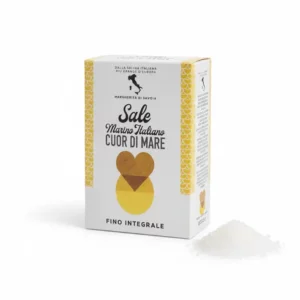
“Fine Sea Salt – Natural, Pure, Mediterranean” is a fine sea salt appreciated mainly for its purity and its natural production method: seawater is evaporated, leaving crystals behind without aggressive refining processes. The result is a salt with a clean taste, less “metallic” compared to heavily processed industrial salts, which tends to enhance ingredients rather than cover them. For this reason, it is ideal in Mediterranean cuisine, where simplicity is everything: tomatoes, mozzarella, fish, and especially fresh sauces like pesto. Its fine grain makes it easy to dose and it dissolves quickly, ensuring an even distribution of flavor. In practice, it does not change the dish: it completes it.
Read MoreDetails
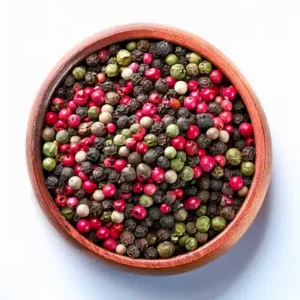
Pepper is the most widely used spice in the world, prized for its pungent flavor and its ability to enhance the flavors of any dish. It is best used freshly ground to preserve its freshness and aromatic intensity. There are several varieties including black, white, green, and pink, each with a different intensity, capable of transforming a simple sauté or a roast into a vibrant and fragrant meal.
Read Morepreparation
-
1
Sauté
In a casserole dish, sauté the sliced onions in hot olive oil. When they are well browned, add the diced liver.
-
2
Brown
Stir with a wooden spoon and cook until the meat turns a light brown color
-
3
Cooking
Add the white wine, a pinch of salt, and a sprinkle of pepper. Stir again, then continue cooking over low heat for about 30 minutes, or until the meat is nice and tender.
-
4
Serve
Serve the liver warm, ideally accompanied by boiled vegetables or, if you like, a portion of saffron rice.