


 Fresh Pasta
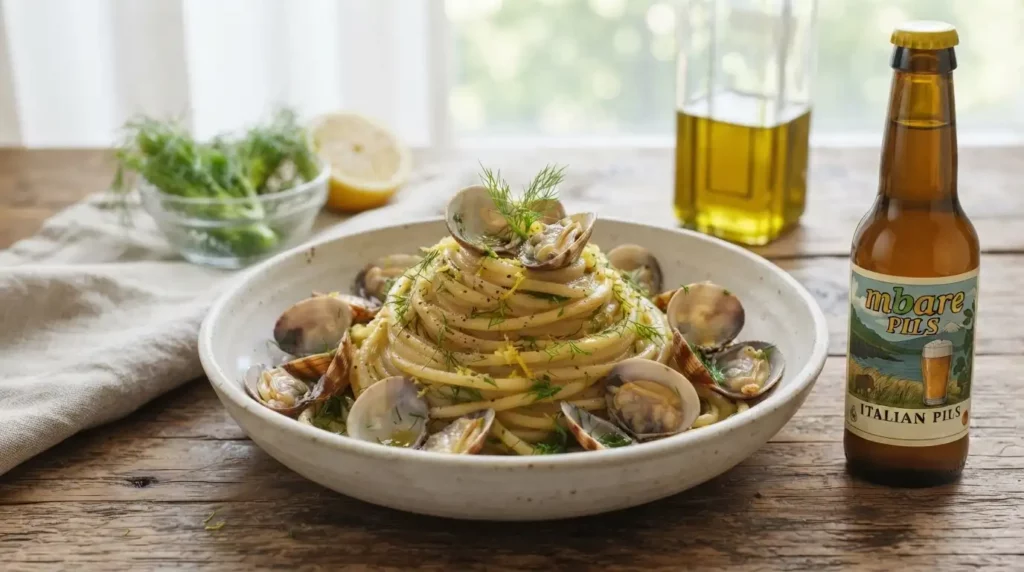
Spaghettoni with beer, Italian True Clams, Lemon, and Wild Fennel
205 views



Pepper: a complete guide – varieties, cooking, selection and uses
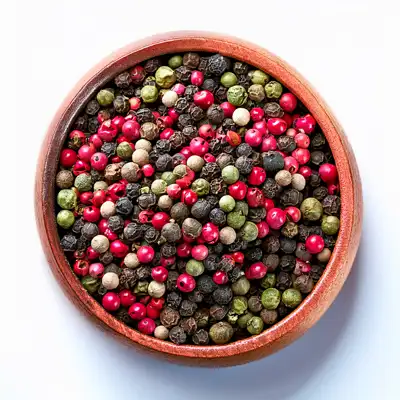
Pepper is one of the most important and widely used spices in the world. It is not just a seasoning, but an ingredient capable of adding depth, heat, and complexity to almost any dish. It comes from the berries of the Piper nigrum plant and changes completely depending on its ripeness and processing method.
All types of pepper come from the same plant, but differ based on how they are processed.
Pepper changes significantly depending on how it is used.
Whole peppercorns
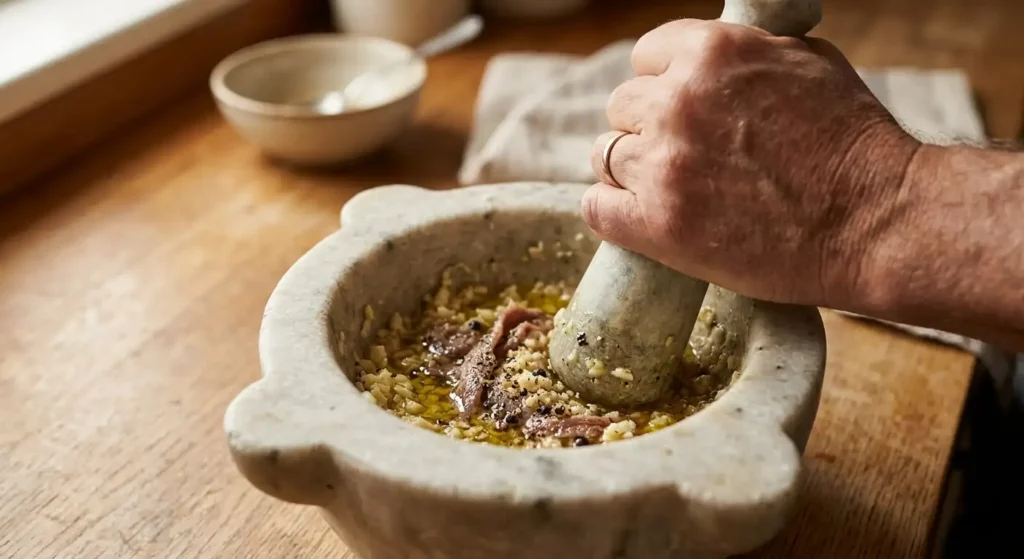
This is the most aromatic form. The essential oils are preserved inside the berry until grinding. Freshly cracked pepper has a much more intense and complex aroma.
Ground pepper
It is practical and immediate, but quickly loses part of its aroma. The longer it sits, the flatter and less fragrant it becomes.
In short: whole pepper gives quality, ground pepper gives convenience.
Good pepper is easy to recognize:
Pepper is extremely versatile and used in almost everything:
Pepper contains volatile aromatic oils. When it is ground or crushed, these oils are released into the air.
For this reason, the difference between a good dish and an excellent one is often just a fresh grind of pepper.
More even distribution with immediate heat.
More aromatic, with bursts of flavor in each bite.
Preserves freshness and aroma.
Softens pepper but reduces aromatic complexity.
Pepper does not like prolonged high heat. If cooked too long, it loses most of its aromatic notes, leaving only basic heat.
That is why it is often added at the end of cooking or directly on the plate.
White pepper is often used in light-colored sauces where black specks are not desired, such as béchamel or delicate fish dishes.
Pepper may seem simple, but it is actually a technical spice. Its final result depends on freshness, grinding, and timing. Used correctly, it adds depth and character. Used poorly, it becomes just flat heat.
The real difference is not how much pepper you use, but when and how you grind it.
Fresh Pasta
205 views
 Side Dish
187 views
 Fresh Pasta
168 views
 Ancient Recipes
244 views
 Ancient Recipes
218 views
 Ancient Recipes
212 views
 Meat
Meat
179 views
 Fresh Pasta
382 views
 Meat
Meat
218 views