 Fresh Pasta
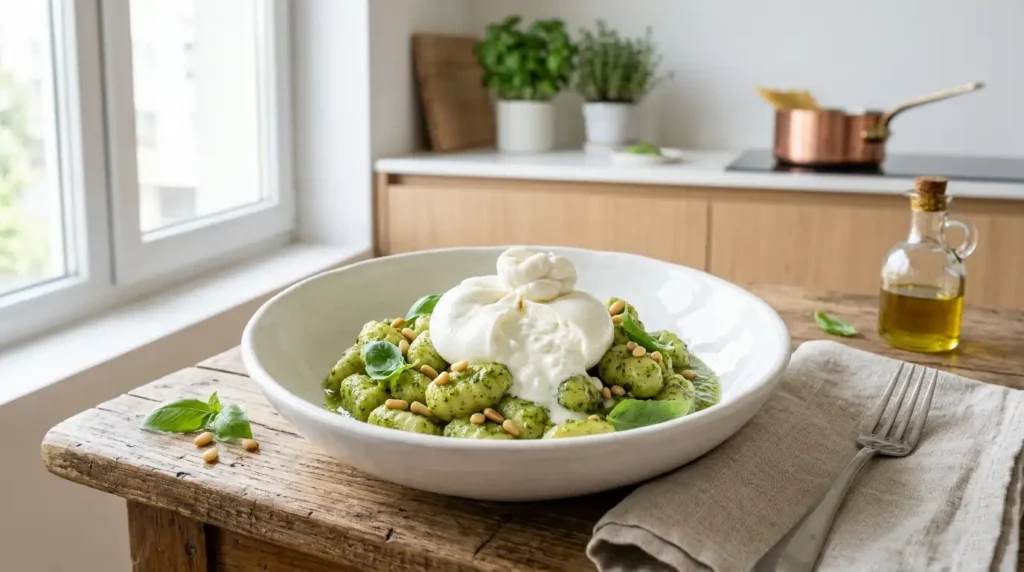
Gnocchi with pesto and burrata
263 views


recipe by
 Maurizio Pigliacampi
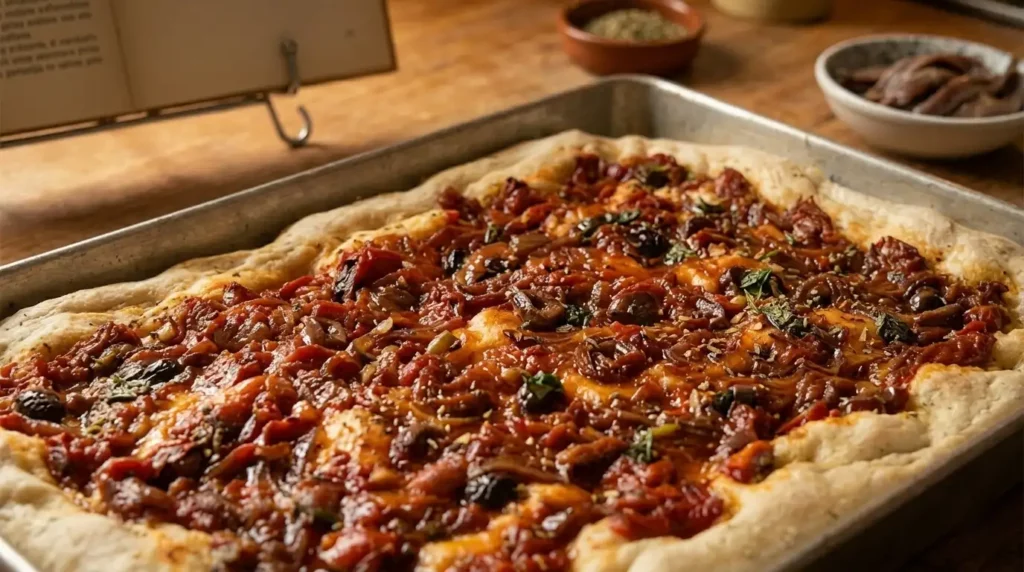
Portare in tavola questa ricetta significa riscoprire il gusto autentico della Liguria di un tempo, dove l’uso di ingredienti locali, come le olive in salamoia e le acciughe, raccontava la vita quotidiana dei pescatori e delle famiglie contadine. Oggi, preparare questa “pizza” in casa con la tecnica corretta del doppio impasto significa celebrare un legame profondo tra passato e presente.
Adjust the servings: the quantities are updated automatically.
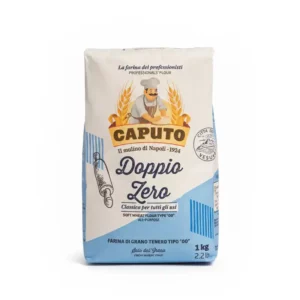
Caputo Tipo “00” flour is one of the most highly valued flours among professional pizza makers and bakers, as it guarantees a stable, elastic dough that is easy to work with. Its high quality comes from carefully selected wheat varieties…
Read More
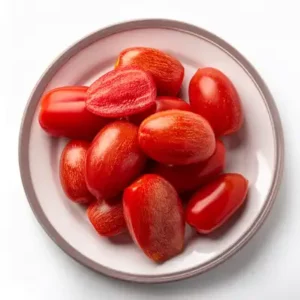
Peeled tomatoes are ripe tomatoes that have had their skin removed and are preserved whole in their own juice or in purée. They have a rich, sweet, and mildly acidic flavor, making them ideal for sauces, pizza, and long-cooked dishes.…
Read More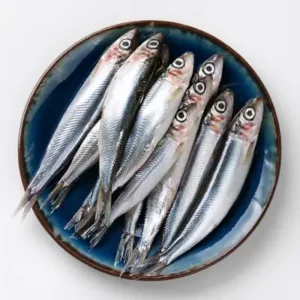
Anchovies are small fish from the Mediterranean Sea and the eastern Atlantic Ocean (especially along the European and North African coasts). In practice, they are widely caught in areas such as Italy, Spain, France, and Morocco. They are small fish…
Read More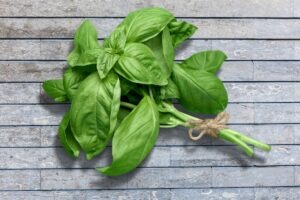
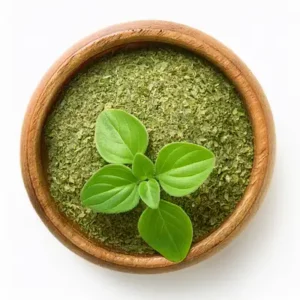
The Genovese Basil is not just an aromatic herb; it is the soul of Liguria. Historically cultivated in the Prà district, it owes its uniqueness to an unrepeatable microclimate that defines its aromatic profile. What makes it unique? Unmistakable aroma:…
Read More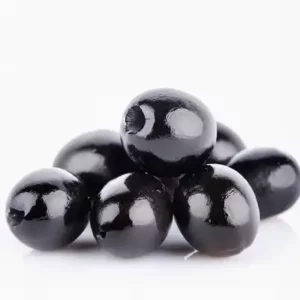
Black olives are fully ripened olives with a rich, slightly salty and fruity flavor. In cooking, they are used to add depth and character to salads, sauces, pasta, pizzas, and meat dishes. Their bold taste enhances recipes without needing many…
Read MoreMixing: In a large bowl, dissolve 10 g of fresh brewer’s yeast in the milk and 330 ml of lukewarm water.
First dough: Add about 200 g of the total flour and knead until you obtain a soft, smooth dough.
Resting: Cover the bowl with a damp cloth and let it rise in a sheltered place, such as an oven switched off with the light on, for about 1–2 hours, or until it has doubled in volume. This first step helps create the basic gluten structure.
Incorporation: Return to the risen dough and add the remaining flour (300 g) and half of the oil (about 50 ml).
Kneading: Add about 10–12 g of fine salt, then knead vigorously by hand or with a stand mixer for about 10 minutes. The dough should become elastic and non-sticky.
Second rise: Shape the dough into a ball, place it back in the covered bowl, and let it rise until it triples in volume. This is where the magic happens: the dough structure strengthens, allowing it to hold the soffritto without collapsing.
Preparing the pan: Generously grease a baking tray with the remaining oil.
Shaping: Place the dough in the center and gently stretch it toward the edges using your fingertips. Do not press too firmly; you want to preserve the air the dough has developed during the second rise.
Final rest: Let the dough rest in the tray for another 20 minutes before adding the topping. This step is crucial to prevent the dough from shrinking during baking.
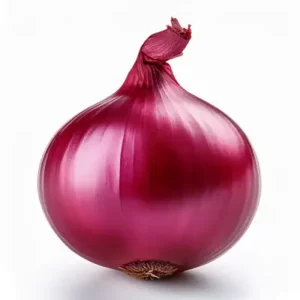
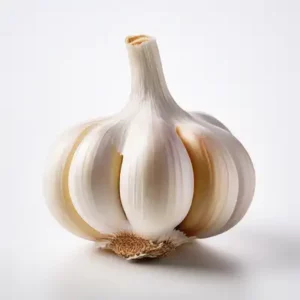
Thinly slice the onions and let them soften gently in a pan with the remaining oil and the garlic cloves, which should be removed at the end of cooking.
Add the peeled tomatoes, crushing them with a fork, and the finely chopped anchovy fillets. Cook over very low heat until the mixture becomes thick and flavorful; it should remain moist and must not dry out completely.
Spread the onion, tomato, and anchovy soffritto evenly over the surface. Add the brined olives and the fresh basil, torn by hand. Make sure the topping is evenly distributed, creating a uniform layer that will keep the pizza moist during baking.
Bake in a preheated oven at 220°C for about 20–25 minutes. The bottom of the pizza should be well baked and golden, while the top should remain soft and succulent, protected by the soffritto, which should not dry out completely.

Recipes, news and behind the scenes every day.