


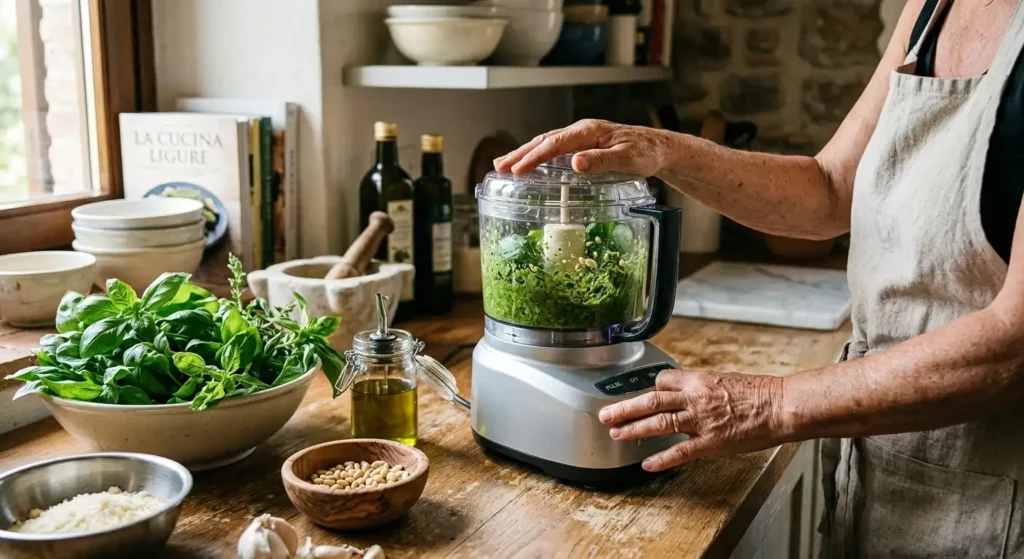
 Genoese pesto
Homemade Genovese pesto recipe with a blender
532 views



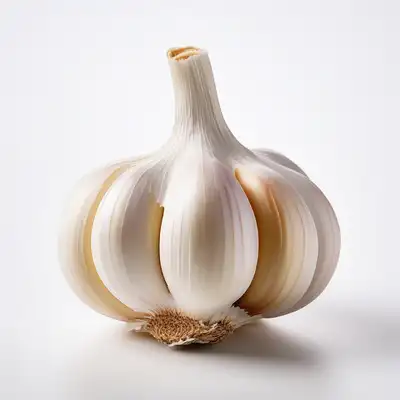
Garlic is one of the most important and widely used ingredients in world cuisine. Small, inexpensive, yet extremely powerful in aroma, it can completely transform the flavor of a dish even in minimal amounts. It belongs to the Liliaceae family and has been used for centuries both for its culinary qualities and its distinctive aroma.
Not all garlic is the same. Different varieties affect flavor, intensity, and storage.
Each variety can change the balance of a dish, especially when used raw.
Garlic can be used in fresh form or as dried powder. They are not equivalent.
Fresh garlic
This is the most aromatic form. When chopped or crushed, sulfur compounds are released, creating its characteristic pungent aroma. The flavor is complex and depends on cooking method. It is ideal for sauces, sautéing, meats, and dishes where garlic should be clearly noticeable.
Garlic powder
Made by drying and grinding cloves. The flavor is more uniform, milder, and less aggressive. It is convenient, has a long shelf life, and distributes evenly in dishes. It is suitable for marinades, spice blends, and recipes where no moisture should be added.
In short: fresh garlic gives character, powder gives convenience.
Good garlic is easy to recognize:
Sprouted garlic is not dangerous, but it tastes more bitter and less pleasant.
Garlic is extremely versatile:
Garlic’s intensity depends not only on quantity but also on how it is handled.
When garlic is cut or crushed, its cells break and enzymes activate, producing sulfur compounds responsible for its sharp taste. The more it is broken down, the stronger it becomes.
In other words: the more it is broken, the stronger it becomes.
Cook garlic on low heat. If it burns, it becomes bitter and unpleasant.
It gently flavors the oil and can be removed before serving.
The green core can add bitterness.
When roasted, garlic becomes sweet, soft, and almost creamy.
Briefly boiling it reduces its sharpness.
Garlic is sensitive. The difference between aromatic and bitter is a matter of seconds. It must be cooked carefully over moderate heat.
Garlic seems simple, but it is actually a highly sensitive ingredient. Cutting method, temperature, and cooking technique completely change the final result. It can be mild and aromatic or harsh and overpowering.
The difference between a good dish and a bad one often lies right there in a single garlic clove.
Genoese pesto
532 views
 Ancient Recipes
274 views
 Ancient Recipes
244 views
 Ancient Recipes
211 views
 Ancient Recipes
206 views
 Fresh Pasta
204 views
 Ancient Recipes
198 views
 Main Courses
196 views
 Side Dish
190 views