 Meat
Meat
Venetian-Style Liver
210 views



recipe by
 Maurizio Pigliacampi
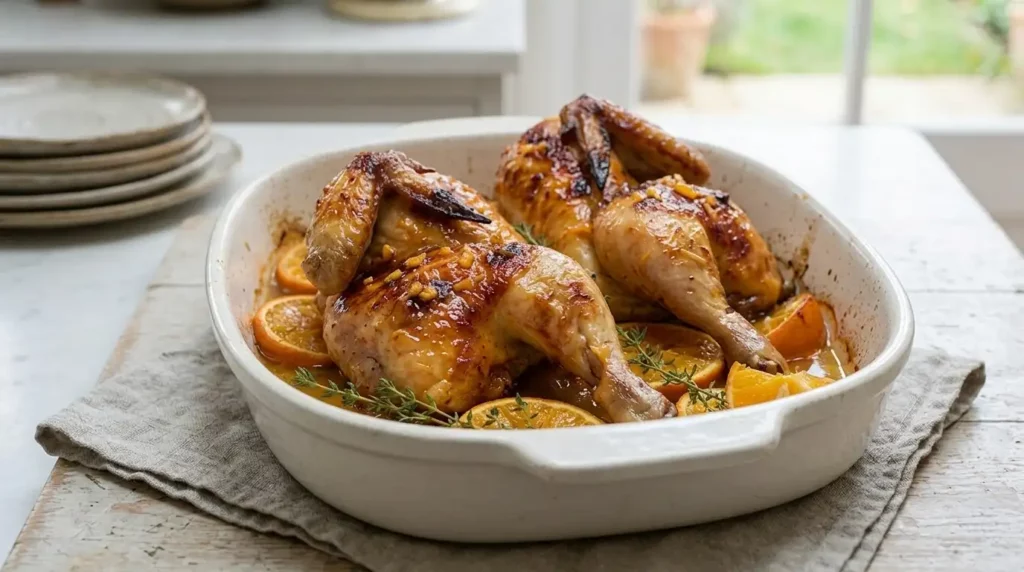
Italian Orange Chicken Recipe: The Elegance of a Modern Classic
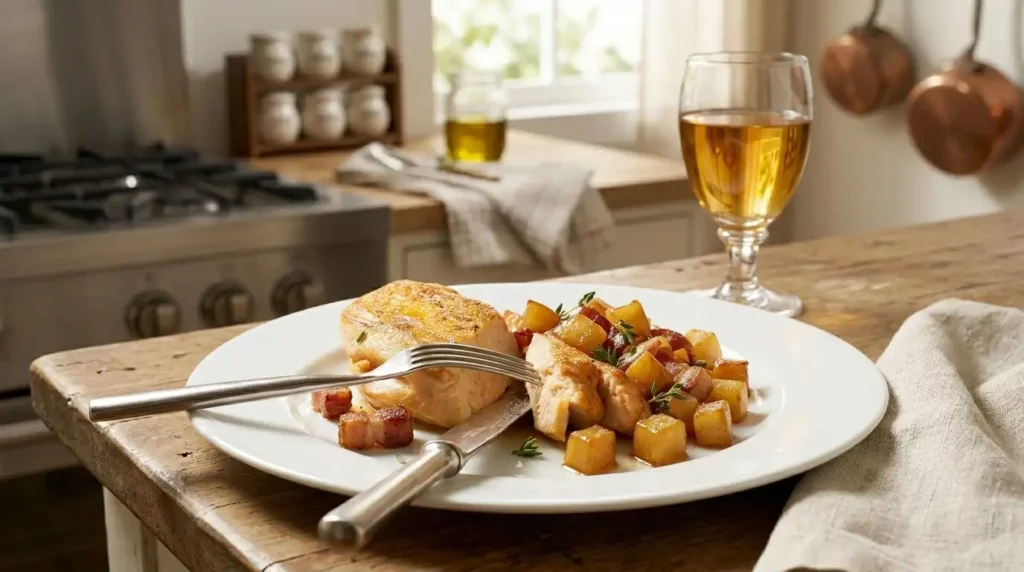
There are dishes that, in their apparent simplicity, hide secrets capable of transforming an ordinary meal into a small gourmet experience. Orange Chicken is one of them: a timeless classic where the delicacy of white meat meets the vibrant freshness of citrus.
It is interesting to note, however, that unlike other regional preparations, Orange Chicken does not have roots in ancient rural traditions. It is a modern Italian recipe, born and established between the 70s and 80s. Conceived initially in the kitchens of “italo-international” restaurants and influenced by noble dishes from beyond the Alps, such as Duck à l’Orange, this dish has become a symbol of our cuisine worldwide over the years, offering a light and refined alternative to the classic roast.
In this version, we wanted to elevate the original preparation by attending to every technical step, from drying the meat for irresistibly crispy skin to the skillful management of the marinade, to guarantee a chef-quality result while maintaining the ease of execution that makes it perfect even for a special family dinner.
A tip for the reader: Mastery in the kitchen often lies in the details. For an impeccable result, remember that in the heart of this COOKBOOK you can delve into the fundamental bases, discovering guides dedicated to preparing homemade broths or the secrets to a perfect aromatic marinade, precious tools for anyone wishing to explore new nuances of flavor.
Adjust the servings: the quantities are updated automatically.
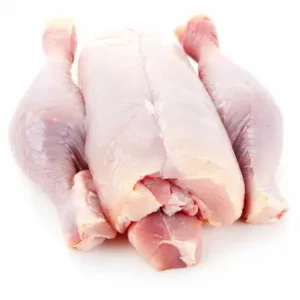
Preheat the oven to 200°C. Cut the chickens in half, wash them under running water, and dry them perfectly with paper towels.
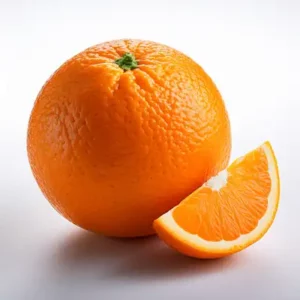
Wash the oranges well under running water. Using a vegetable peeler or a fine-holed grater, remove only the orange part of the peel, avoiding the white pith underneath (which would be bitter). Finely chop the zest obtained with a sharp knife until reduced to tiny pieces.
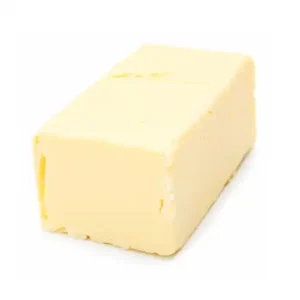
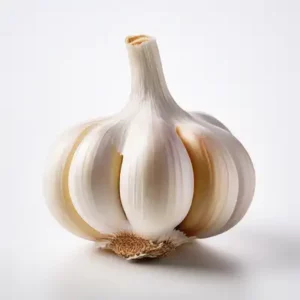
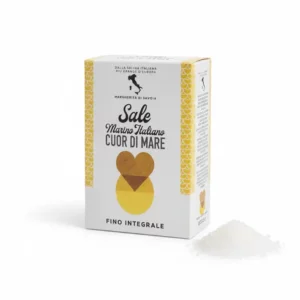
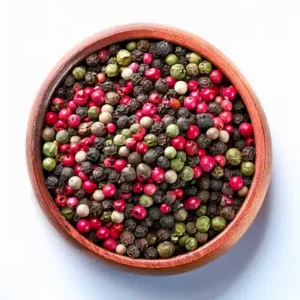
In a bowl, work the softened butter with the minced garlic, the freshly prepared orange zest, a pinch of salt, and a pinch of pepper, mixing vigorously with a wooden spoon until a homogeneous cream is obtained.
Gently lift the skin from the breast and legs, creating a "pocket" between the skin and the meat, and dry the underlying meat with a paper towel. Distribute the butter cream under the skin, massaging gently from the outside.
In a large container, arrange the chickens massaged with the butter. Pour the juice of the two oranges directly over the chickens, ensuring that part of the liquid penetrates well inside the cavity of the chicken and under the skin already treated with the butter. Cover with plastic wrap and let marinate in the refrigerator for 3 hours, turning the chickens halfway through to ensure uniform absorption.
Drain the chickens from the marinade (keep the leftover juice aside). Place the chickens on the oven rack; position an empty tray on the shelf below to collect the fats.
Bake at 200°C for the first 10-15 minutes, then lower to 180°C for the remaining 25-30 minutes. During cooking, baste the chicken often using the juice from the marinade set aside. The liquids collected in the tray below will become a concentrated sauce to pour over the chicken before serving.

Recipes, news and behind the scenes every day.