 Fresh Pasta
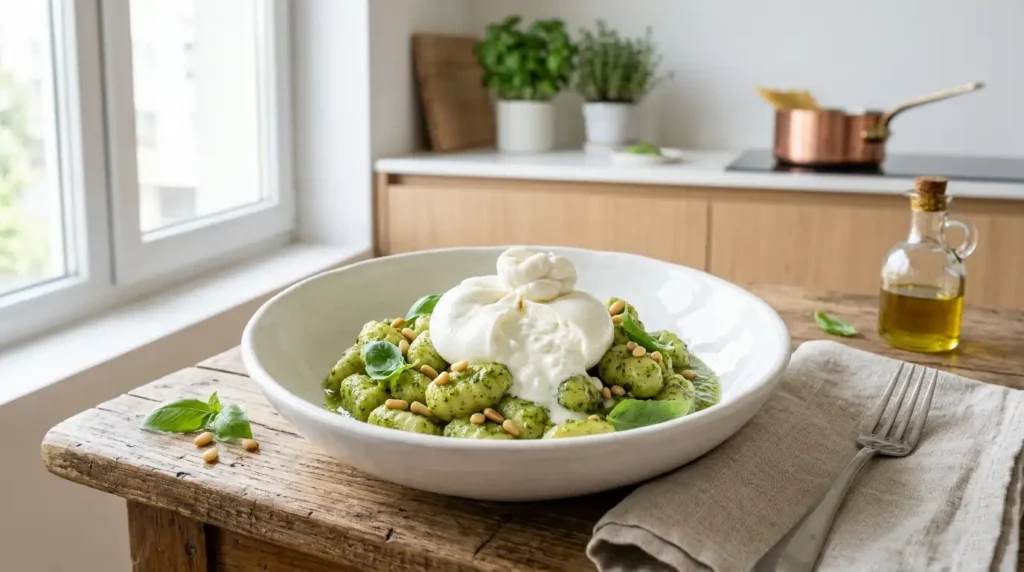
Gnocchi with pesto and burrata
258 views



recipe by
 Maurizio Pigliacampi
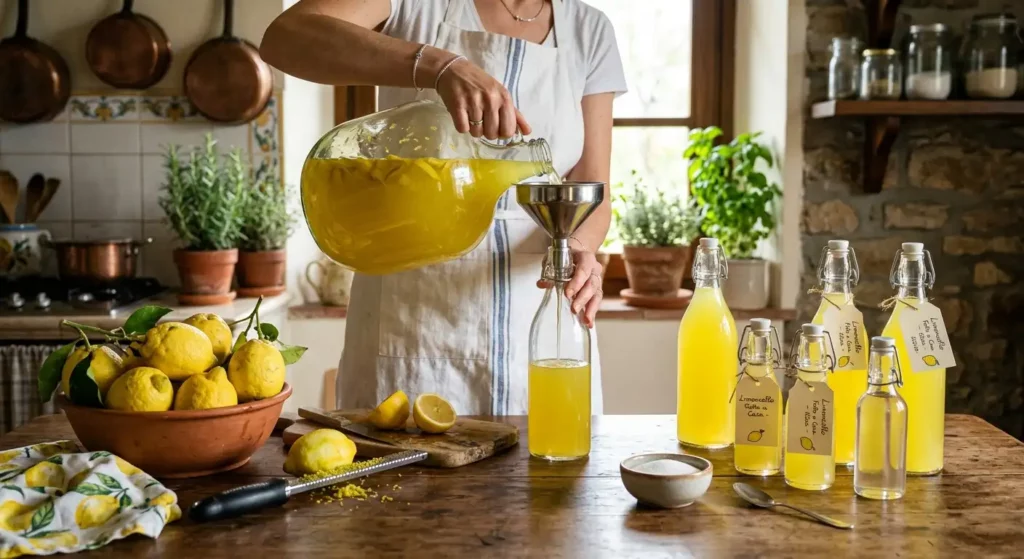
Limoncello is not just a liqueur; it is a ritual that celebrates patience and premium raw ingredients. Obtained from the natural infusion of fresh lemon peels in pure alcohol, this elixir embodies the Mediterranean essence: a perfect balance between the intensity of the citrus essential oils and the enveloping sweetness of the syrup. Enjoyed chilled at the end of a meal, limoncello releases a vibrant aroma, capable of instantly evoking the warmth and light of the Italian coasts.
Adjust the servings: the quantities are updated automatically.
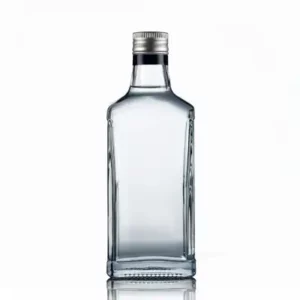
Food-Grade Ethyl Alcohol: What It Is, How to Use It, and How to Choose the Right One Food-grade ethyl alcohol is an agricultural alcohol obtained through the fermentation and subsequent distillation of raw materials rich in sugars or starches, such…
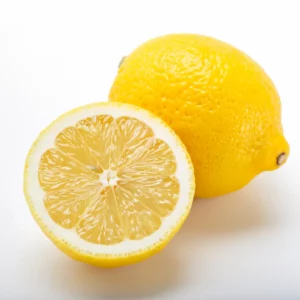
Read MoreWash the 9 lemons with hot water and a soft brush to remove any trace of wax. Dry them thoroughly.
Remove only the zest using a vegetable peeler, strictly avoiding the white pith, which would impart an unpleasant bitter taste.
Place the peels in a clean glass jar and cover them with the alcohol. Seal tightly.
Store the jar in a cool, dark place. Gently shake it once a day. The 20-day maceration allows for a deeper and more complex extraction of essential oils compared to the traditional 7–10 days.
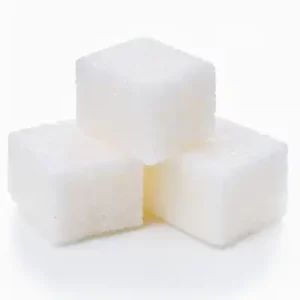
On the 20th day, dissolve all the sugar in 45 cl of water, heating gently without letting it boil. Let it cool completely.
Filter the alcohol from the peels using a fine-mesh strainer or sterile gauze. Pour the cold syrup into the alcoholic infusion.
Bottle the finished limoncello and let it rest for at least another week before serving.
Choice of Lemons: For high-quality limoncello, use certified-origin lemons, preferably untreated, with thick and rough rinds typical of Ligurian or Amalfitan lemons, which contain many more essential oils than smooth-skinned ones.
Water Quality: If tap water has a high mineral residue or a strong chlorine taste, use low-mineral natural spring water to prepare the syrup. "Neutral" water better enhances the lemon's aroma.
Storage: Store the finished bottles in the freezer. Not only does the cold make it more enjoyable, but the low temperature gives the syrup a more velvety texture and enhances its sensory profile.
Use of Spent Peels: After filtering the alcohol, do not throw away the peels. You can let them dry to scent rooms or use them in small amounts to flavor pastry preparations (e.g., shortcrust pastry or creams).

Recipes, news and behind the scenes every day.