


 Rice and risottos
Rice croquettes with a mozzarella filling: an easy, gooey recipe
2 views

Ingredients
Mozzarella is one of the most recognizable symbols of Italian dairy tradition: simple in appearance, yet deeply dependent on the quality of its raw ingredients and freshness. It is a stretched-curd cheese that relies on balance, and for this reason…
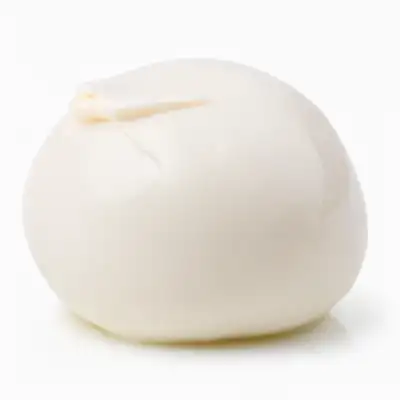
Mozzarella is one of the most recognizable symbols of Italian dairy tradition: simple in appearance, yet deeply dependent on the quality of its raw ingredients and freshness. It is a stretched-curd cheese that relies on balance, and for this reason not all mozzarellas are the same.
The real difference is noticeable from the very first taste: good mozzarella has an elastic but not rubbery texture, releases a delicate milkiness when cut, and offers a clean, slightly tangy flavor that does not overpower but complements other ingredients. In the kitchen, it performs best when its simplicity is respected, such as in a Caprese salad, on pizza, or eaten on its own.
When choosing mozzarella, the rule is clear: the fewer ingredients, the better. Milk, rennet, and salt. Nothing else. Long ingredient lists are often a sign of an industrial product that has lost its identity.
Within the world of mozzarella, however, there are two main expressions. Mozzarella di bufala, which is richer, juicier, and more intense, with a softer texture and a bold flavor, and fiordilatte, made from cow’s milk, which is lighter and more delicate.
Fiordilatte is the more balanced version: it has a fresh milky taste, lower fat content compared to buffalo mozzarella, and a more restrained yet elastic structure. For this reason, it is widely used in cooking, especially on pizza, where it melts well without releasing too much water or overpowering the other ingredients.
In short, buffalo mozzarella is intensity and character, while fiordilatte is balance and versatility. Two different interpretations of the same idea: the freshness of milk transformed into Italian excellence.