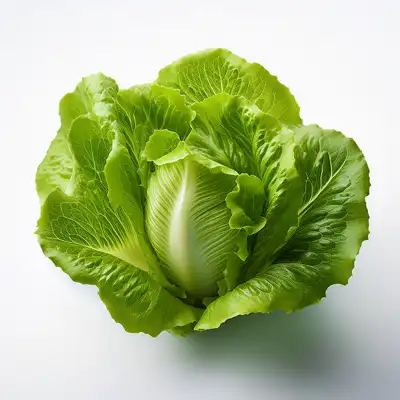
Lettuce (Lactuca sativa) is one of the most widely grown and appreciated garden plants in the world. Belonging to the Asteraceae family, it has been cultivated since ancient times and was even mentioned by the ancient Egyptians and Greeks.
Here is a brief overview of this precious vegetable:
Characteristics and Varieties
Lettuce is made up of approximately 95% water, making it an extremely hydrating and low-calorie food. It can be categorized into several main types, each with unique characteristics:
- Head lettuces: Such as “Butterhead” (or Tenerina), which forms a round, compact head with tender, crisp leaves.
- Leaf lettuces (or cutting lettuces): Such as “Loose-leaf,” which does not form a tight head and allows you to harvest the leaves as they grow.
- Romaine lettuces: Known for their elongated shape and rather sturdy leaves, ideal for those who prefer a very crunchy texture.
- Iceberg lettuces: Famous for their extreme compactness and a very neutral, refreshing flavor.
How to Choose It at the Market
To ensure you bring home a fresh, high-quality product, pay attention to a few signs:
- The base of the head: It should be light and clean. If the cut at the base appears brownish or blackish, it means the head was harvested a long time ago.
- Leaf turgor: The leaves should be firm, upright, and well-hydrated. If they appear wilted, limp, or yellowed at the edges, the lettuce has lost its freshness.
- Absence of spots: Check that there are no dark spots or signs of rot, especially on the innermost leaves, which are the most delicate.
Properties and Curiosities
In addition to its significant water content, lettuce is a good source of minerals (such as potassium and calcium) and vitamins (A, C, and K).
- The name: The term derives from the Latin lactuca, which refers to the milky liquid that leaks from the stem when it is cut.
- Storage: It is a vegetable very sensitive to ethylene (the gas emitted by other fruits, such as apples or bananas, which accelerates ripening). To store it best in the refrigerator, it should be kept away from other fruit and wrapped in paper towels to manage humidity.
- Versatility: Although commonly thought of only for salads, lettuce is also excellent cooked—sautéed in a pan, braised, or added to soups—where it reveals a sweet and delicate flavor that is surprisingly different from what it offers raw.


 Ancient Genoese Recipes