


 Starters
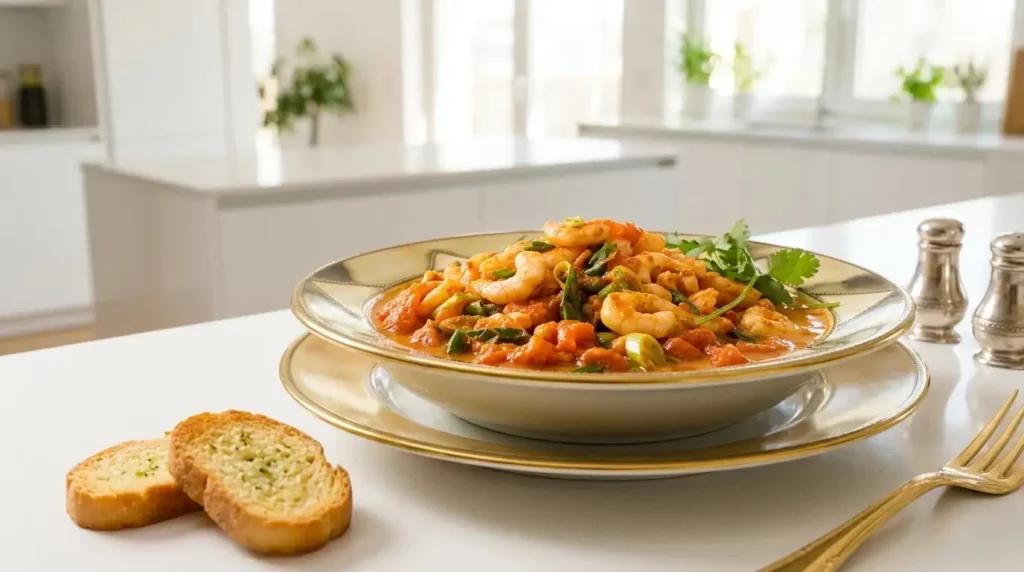
Shrimp Curry
80 views



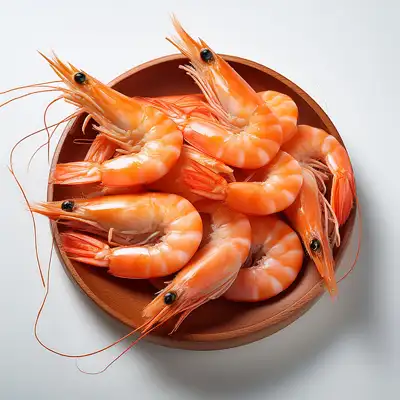
Shrimps: taste of the sea, versatility, and history. Shrimps are decapod crustaceans with an elongated body, prized in cuisines around the world for their firm flesh and delicate or more pronounced sea flavor, depending on the species.
Red shrimp: a Mediterranean gourmet product with an intense flavor and vivid color; ideal for grilling or salt baking.
White shrimp: with tender flesh, suitable for simple cooking methods or seafood salads.
Argentine shrimp: larger in size, with pink and versatile flesh; in trade it is often classified by size from L1 to L5 and is sold both frozen and as cleaned tails.
Black Tiger: an Asian species, recognizable by its dark stripes, with meaty flesh suitable for grilling and pan cooking.
Small shrimp: excellent for frying or as an ingredient in salads and soups; they have a lighter color and a more delicate texture.
Freshwater species: used in different regional traditional recipes; their size and flavor can vary significantly.
Appearance: the shell should be shiny and intact; the flesh should be firm and not slimy.
Head and eyes: the eyes should be black, round, and bright; a head firmly attached to the body is a good sign of freshness.
Color: color depends on the species, but avoid shrimp with black spots or yellowish areas, as these may indicate poor quality.
Smell: they should smell lightly of the sea; a smell of ammonia or rot is a clear sign not to buy them.
Texture: the flesh should spring back after light pressure; if it feels soft or falls apart, it is not fresh.
Frozen shrimp are often processed immediately after being caught or on board, so they can retain very good quality, especially when local fresh products are not guaranteed.
They are convenient for restaurants and packaged products, especially as cleaned tails or whole frozen shrimp. It is best to choose products in clear packaging and without excessive ice, to reduce the risk of repeated thawing.
Frozen shrimp are an excellent choice for quick dishes such as sautéed shrimp, soups, and pasta. For raw preparations, however, it is better to use a certified, very fresh product.
Quick heat treatments: sautéing, grilling, and brief blanching are methods that highlight the sweetness of the flesh and preserve its texture.
Frying and tempura: smaller shrimp and more delicate species are suitable for light fried dishes or crispy batter.
Soups, broths, and risotto: shrimp add depth of flavor, and the heads and shells are excellent for stocks, bases, and bisque.
Traditional recipes: raw appetizers, shrimp cocktail, shrimp and tomato pasta, salt grilling, as well as regional specialties such as shrimp Catalan style or shrimp busara style.
Good pairings: citrus, garlic, parsley, chili pepper, butter, or extra virgin olive oil; they pair best with dry, fresh white wines.
Shrimp have been eaten since ancient times and have appeared in Europe’s coastal cuisines since Roman times, becoming part of local culinary traditions.
Today, hundreds of shrimp species are used around the world, and the global industry includes artisanal fishing, industrial fishing, and aquaculture, with significant economic and environmental dimensions.
I can also turn this into a more natural editorial version for a website, so it sounds more premium and commercial rather than simply translated.