


 Italian Beverages
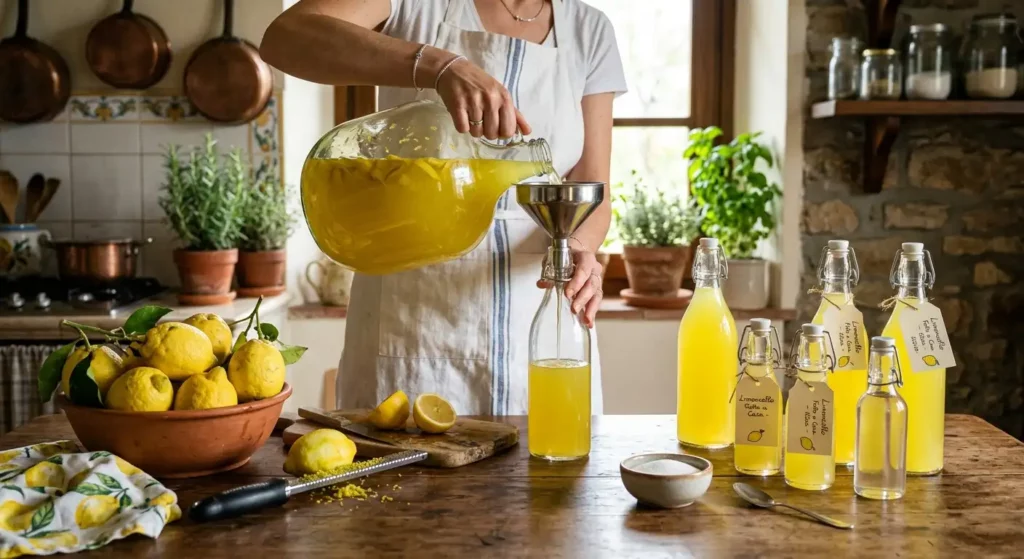
How to Make Homemade Limoncello
109 views


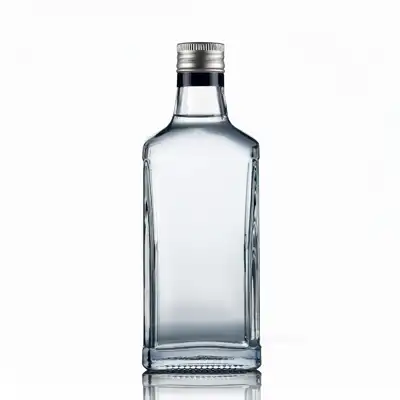
Food-grade ethyl alcohol is an agricultural alcohol obtained through the fermentation and subsequent distillation of raw materials rich in sugars or starches, such as cereals, sugar beets, grapes, or molasses. Thanks to its high purity, it is the ideal ingredient for making homemade liqueurs such as limoncello, nocino, and herbal liqueurs. It is also widely used in pastry making, food preservation, and the extraction of natural flavors and aromas.
The use of alcohol in the preparation of beverages and preserves dates back thousands of years. However, the distillation of ethyl alcohol as we know it today developed during the Middle Ages and the Renaissance, thanks to advances in alchemy and chemistry. Today, food-grade alcohol is a regulated product and is commonly sold at a strength of 95–96% ABV in most European countries.
To achieve the best results, it is essential to choose a neutral food-grade ethyl alcohol, preferably with an alcohol content of 95–96% ABV, free from added flavors and impurities. Always check the label to ensure it is clearly marked as food-grade alcohol. It should never be confused with denatured alcohol, which contains toxic additives and is absolutely unsuitable for human consumption.
A high-quality food-grade alcohol extracts essential oils, fragrances, and flavors from citrus fruits, herbs, spices, and fruit more effectively, producing liqueurs with a clean, intense, and perfectly balanced taste.