

 Fresh Pasta
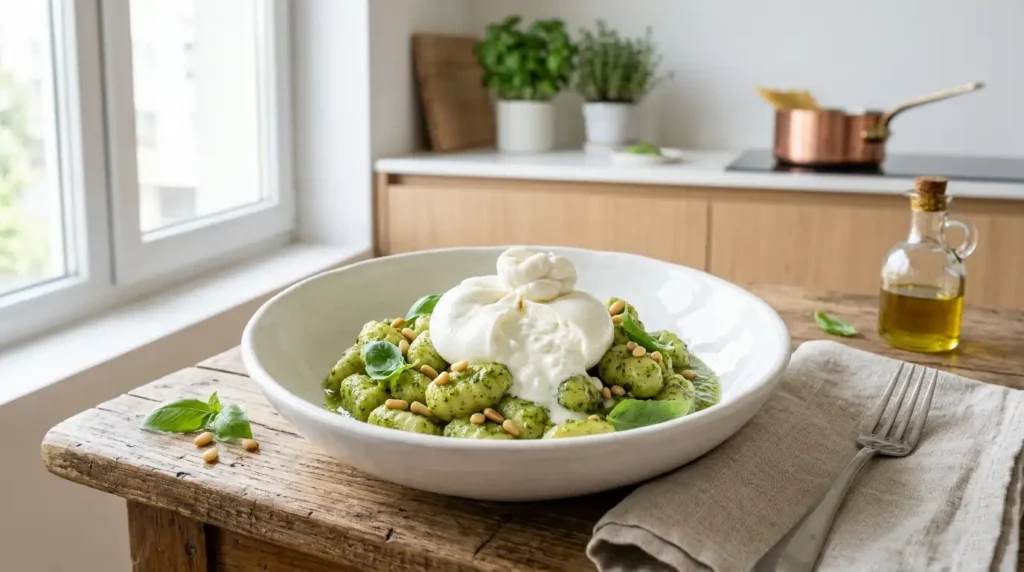
Gnocchi with pesto and burrata
259 views


recipe by
 Maurizio Pigliacampi
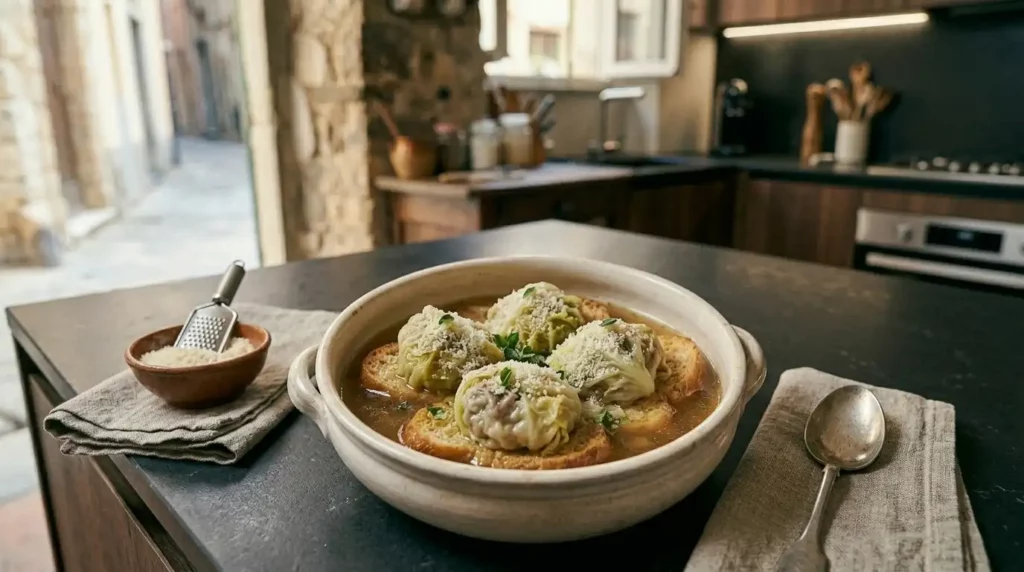
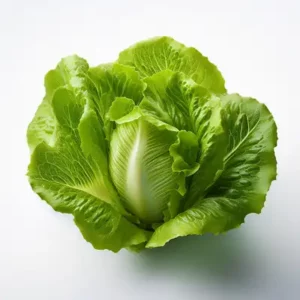
Stuffed Lettuce or Leitughe Pinn-e, as the ancient dialect name goes, represents a fascinating chapter in Ligurian gastronomy. It is not a simple side dish, but a “substantial” recipe that tells the story of how our grandmothers transformed humble garden ingredients into a small masterpiece of flavor.
This recipe is a hymn to patience. The lettuce, briefly blanched and then filled with a fine mince of veal, sweetbreads, and bread soaked in meat sauce, becomes a tender little treasure chest. The true secret, carefully preserved in old recipe books, lies in the broth: it must be reduced, almost like a gentle caress wrapping the lettuces, while the toasted bread croutons at the bottom of the soup tureen wait eagerly to absorb every drop of this nectar.
Ligurian popular culture is rich with references to lettuce. The word leituga (and its diminutive leiteguetta) appears not only in kitchens but also strongly in local literature. The famous poet Stefano De Franchi, in his “Ri sciaratti che sente Madonna Parissoea sciù ra ciæça de Pontexello”, pays tribute precisely to the purchase of a leiteguetta, freezing it within 18th-century culture.
And for the curious, a folkloric note: in dialect there is also a playful pun linked to the sea. A kind of (inedible) seafood salad with a slippery texture is called “leppego”. In the 1920s in Genoa, it was common to say of overly affectionate lovers that they were “fan do leppego.” A joke often heard among friends at the cinema: “Mia stanni attento a no scuggià che gh’è do leppego!” (“Be careful not to slip, there’s some ‘leppego’!”).
Because Leitughe Pinn-e are a bridge between past and present. Preparing them today means reclaiming a slow, deliberate gesture, where the leaves are carefully folded and the aroma of the filling fills the kitchen with that unmistakable “Ligurian home” scent. It is a dish that invites conviviality: served piping hot directly from the tureen, it is the perfect portrait of that “rural life” so dear to Ligurian poets, who, even amid the pleasures of the table, knew how to find beauty in simple living.
Adjust the servings: the quantities are updated automatically.
Beef broth is a flavorful liquid made by simmering beef bones, meat, vegetables, and herbs. In cooking, it is used as a base for soups, sauces, and risottos, adding depth, richness, and umami. A good broth enhances dishes without overpowering…
Read More


Veal is the meat of young calves, known for its tender texture and delicate, mild flavor. In cooking, it is highly versatile and works well in both quick preparations and slow-cooked dishes. It pairs easily with herbs, wine-based sauces, and…
Read MoreSelection: Take two nice heads of lettuce. Gently detach the largest, intact leaves, discarding the outer ones if they are too tough.
Washing: Rinse each leaf carefully under cold running water.
Blanching: Drop the leaves into boiling salted water for 2 minutes. They should only soften slightly.
Chilling: Immediately transfer them into a bowl of ice water to stop the cooking process and preserve their bright green color.
Drying: Pat them thoroughly dry with a kitchen towel. This step is crucial: if the leaves are too wet, the parcel will open during cooking.
The meat: Finely mince 200 g of lean veal, 200 g of veal udder, and 200 g of veal backbone and sweetbreads, until you obtain a smooth paste.
Searing: Heat a knob of butter and sauté the meat for 2–3 minutes over high heat. Let it cool completely.
The binder: Take the crumb of 2 bread rolls, soak it well in meat jus (the reduced cooking base), then squeeze it firmly.
The mixture: In a bowl, combine the cold meat, the soaked bread, marjoram, 100 g of Parmesan, and 3 eggs. Mix well. The mixture should be firm: if it is too sticky, add more Parmesan. Refrigerate for 15 minutes.
The parcel: Lay a leaf flat and place a spoonful of filling in the center.
Sealing: Fold the side edges toward the center, then roll from bottom to top, forming a tight little bundle. If the leaf is too small, use two leaves in a cross shape.
The broth (the essence): Use 3 liters of high-quality meat broth (beef or capon). It must be reduced, meaning intensely flavored and never watery. If you have leftover meat juices (from browning or a roast), add them to the broth: they will give it that amber color and deep flavor that makes the bread irresistible. The broth should already be well seasoned and boiling before you begin.
Arrangement: Place the parcels in a wide pot, seam side down, packed tightly against each other.
Cooking: Pour the boiling broth up to halfway of the parcels. Lower the heat to minimum: they should only barely simmer (small bubbles, not a rolling boil) for 30–40 minutes. This gentle heat seals the parcels without breaking them.
The base: Place the toasted bread croutons at the bottom of a soup tureen.
Final touch: Using a slotted spoon, gently lay the parcels over the croutons. Pour over a ladle of their cooking broth, now reduced into a rich concentrate of flavor.
Grand finale: Sprinkle generously with grated Parmesan and serve immediately, while piping hot.

Recipes, news and behind the scenes every day.